My story, from the streets to the canvas

Kende: Calligraffiti Artist

I’m Kende, a calligraffiti artist.

For almost thirty years, my work has stemmed from the same starting point: the mark left on a surface that is not meant to last. I started painting graffiti in 1995, moving between different cities and crews, until I encountered classical calligraphy in London in 2011 — nibs, ink, an ancient discipline that gave me the language I was seeking to blend the spontaneity of street art with the precision of the written word: calligraffiti.

From that moment on, my journey has moved in only one direction: to take that writing beyond the wall, first in interior design in 2016, then on canvas and panels from 2020. Today I call Dissolutionism the most advanced aspect of this research — not a technique in its own right, but the natural evolution of the calligraffiti when it leads one to wonder what remains of a mark once time, a decision or chance has erased it. I am currently working in my studio in Italy, on the shores of Lake Garda. What follows is the journey, year by year, that has brought me this far.

The story

1995The beginning

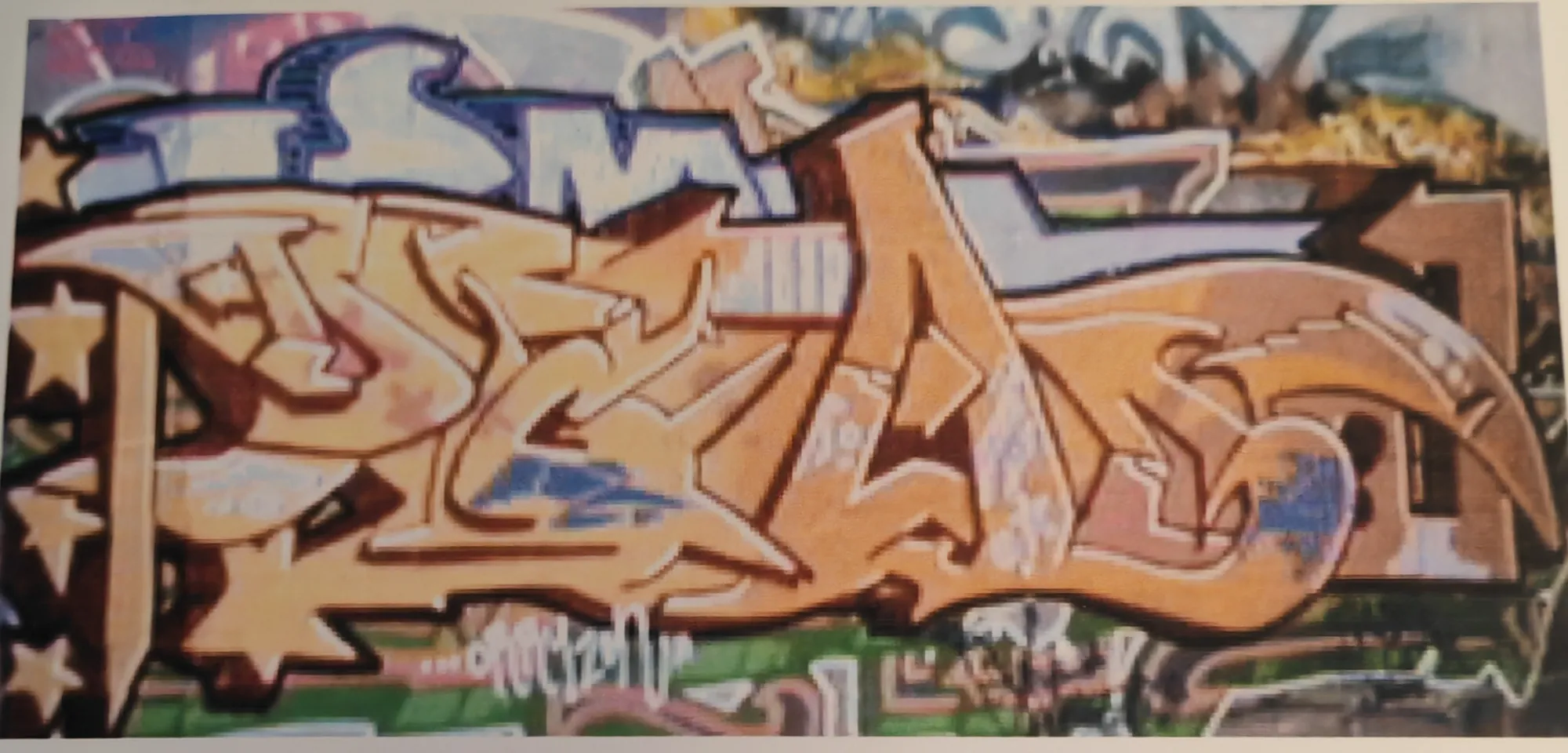
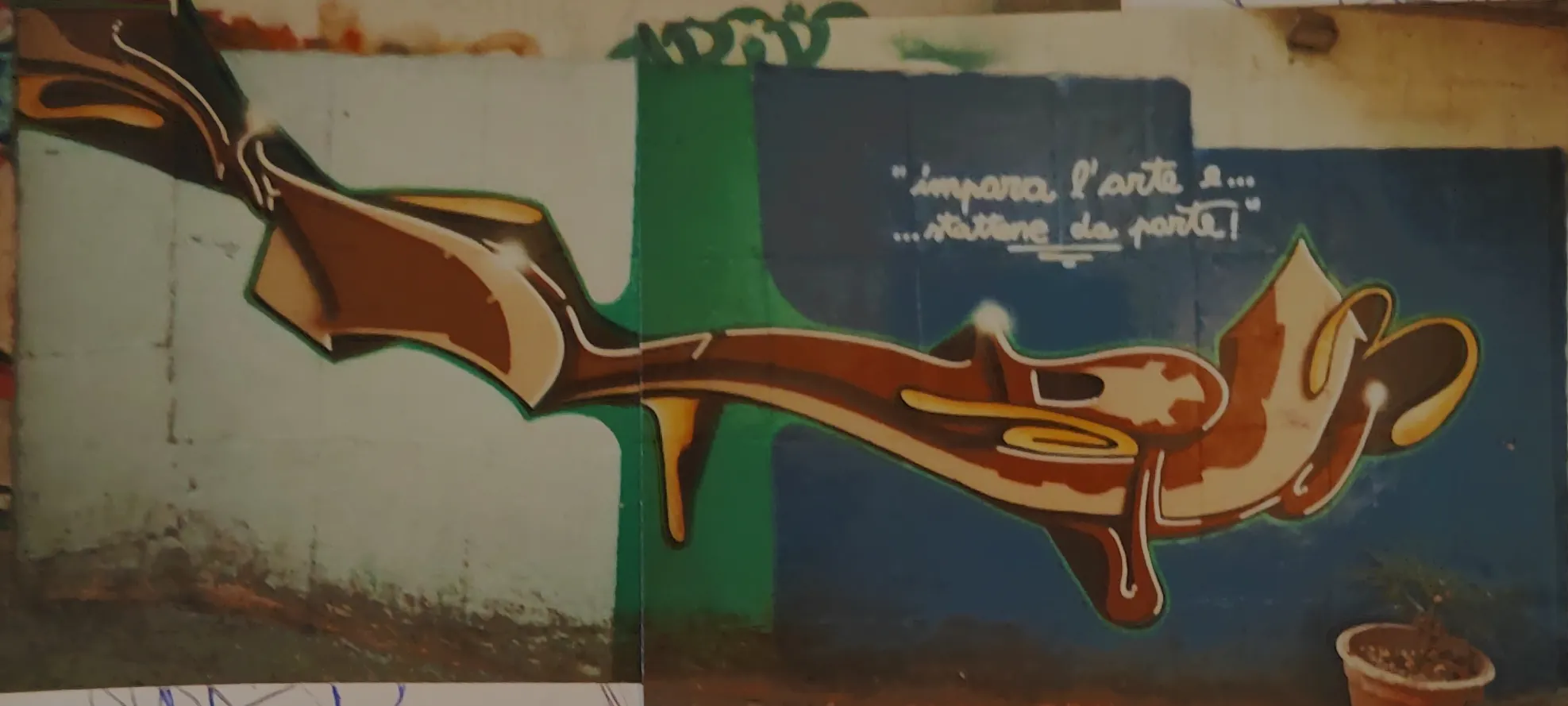
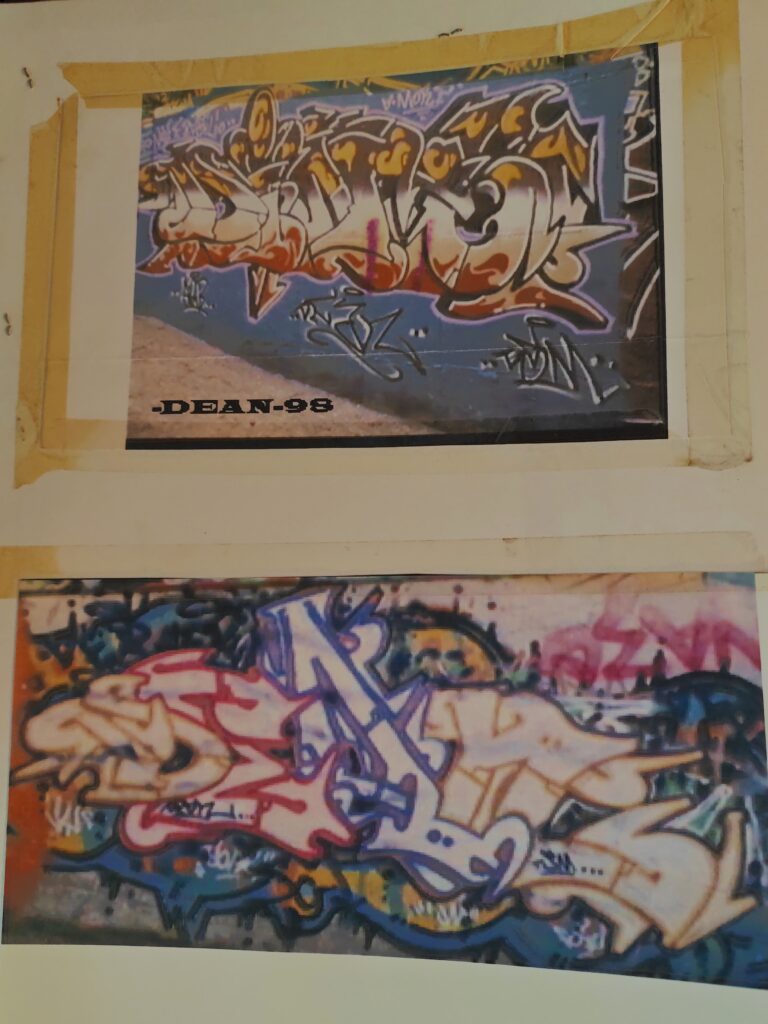
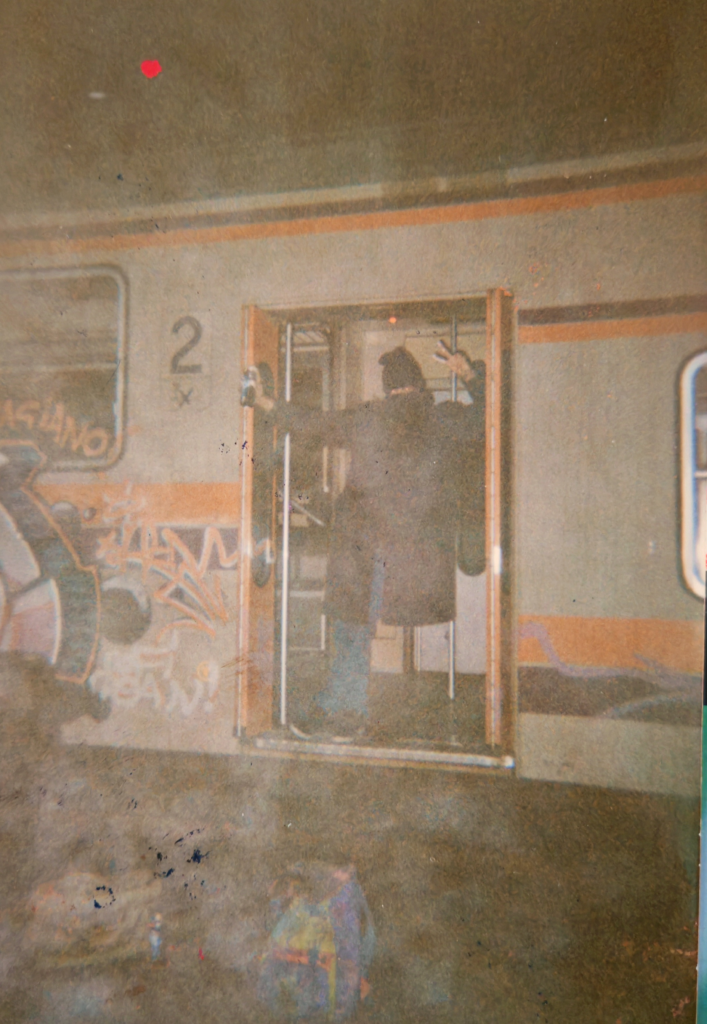
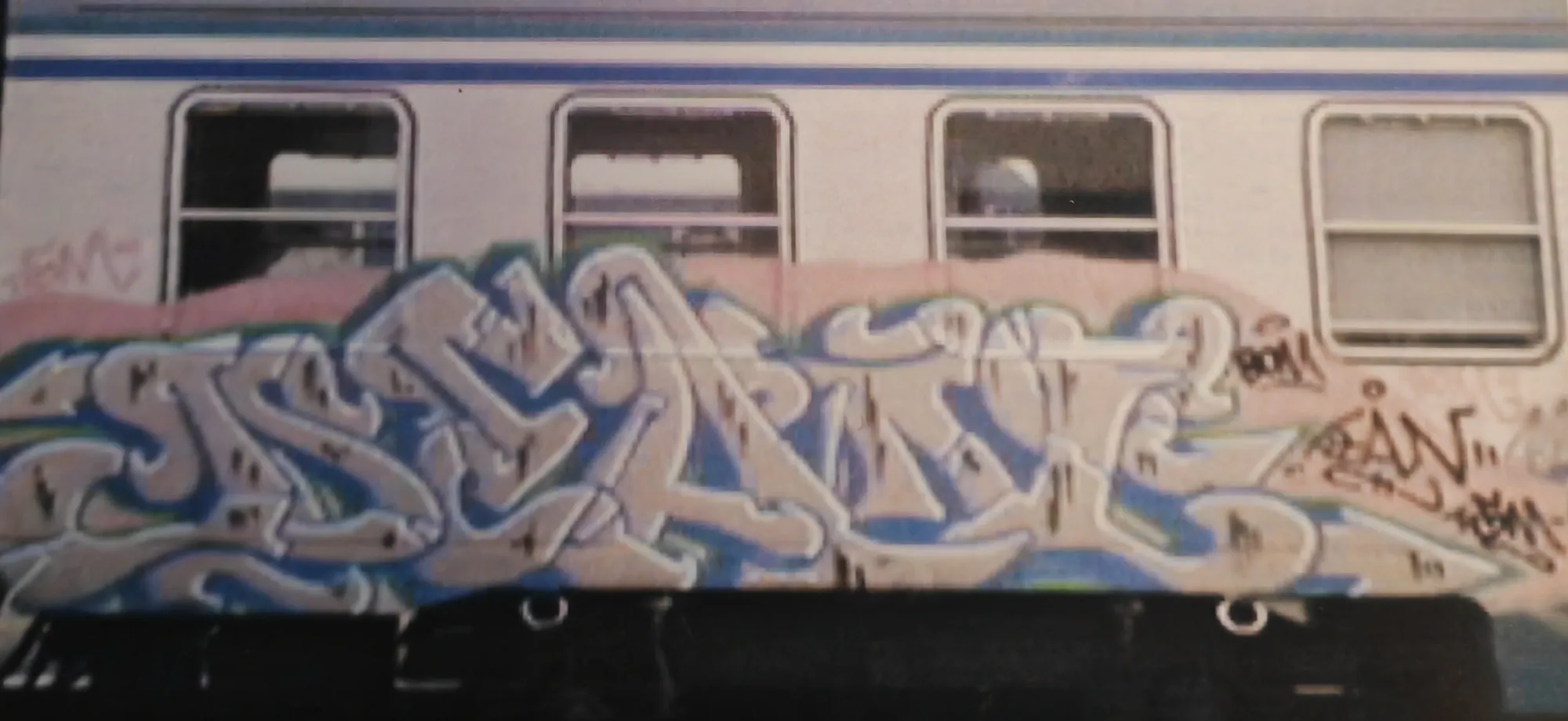
I started painting in 1995, switching tags and aliases until I found my way. Before Kende I was Dean, with the TSM crew: walls, tracks, my first trains. I didn’t have clear ideas yet, but my curiosity was huge and my hunger to learn was insane. Fear of the consequences? I didn’t think about it. It was the best thing that had ever happened to me, and I had no idea yet how good it would get.
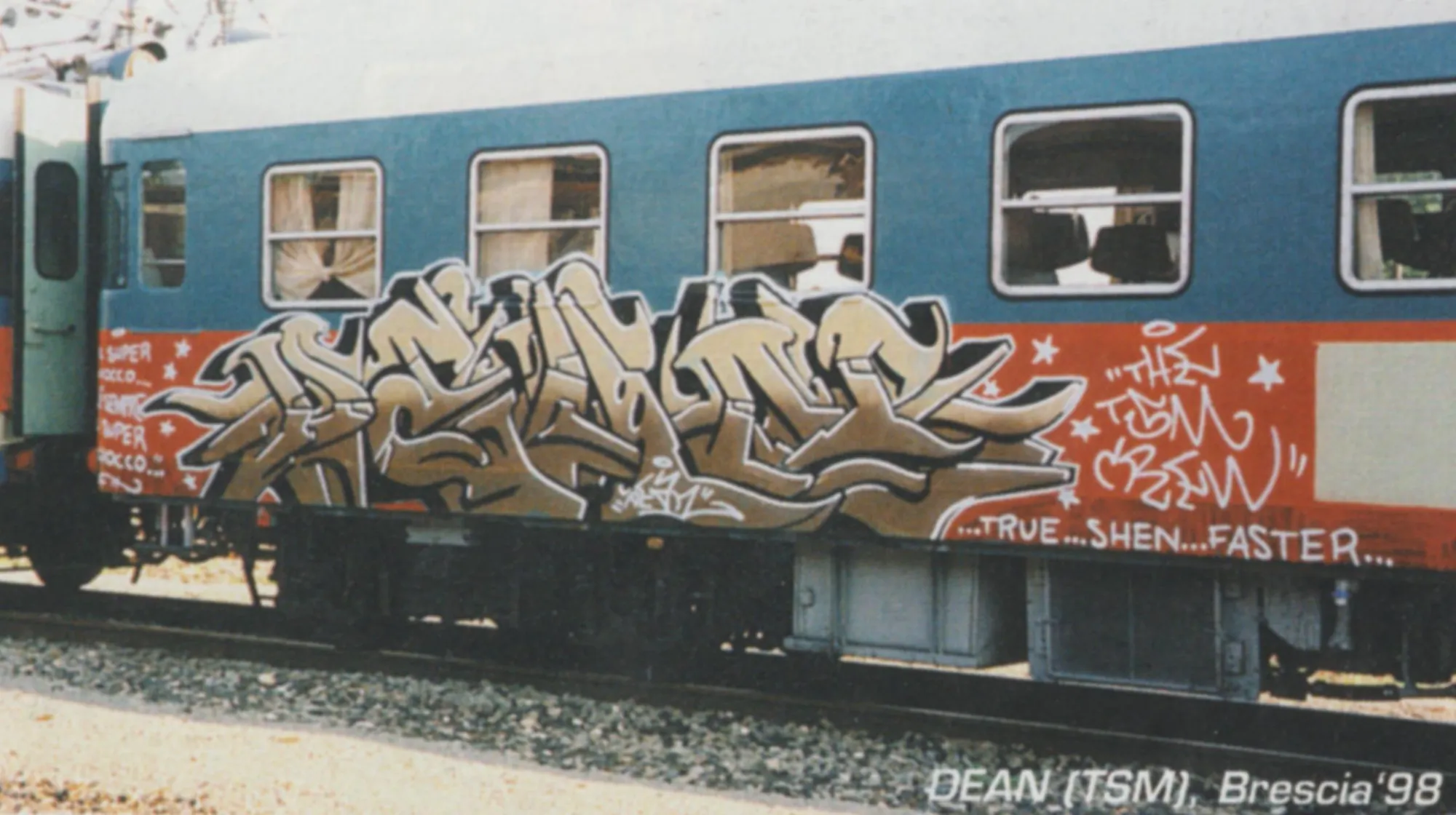
Train painted by Dean, TSM crew, in Brescia in 1998: Kende’s tag before Kende
Silver and light blue piece on a passenger train, Kende’s beginnings in the 1990s
Warm-toned piece with the TSM tag above it, Kende’s beginnings in the 1990s
Brown piece on a wall with the words «impara l’arte e mettila da parte», Kende’s beginnings
Two photos from Kende’s early days pinned to the wall, one signed DEAN 98
Painted train photographed at night, with a figure seen from behind in the doorway

2001The street

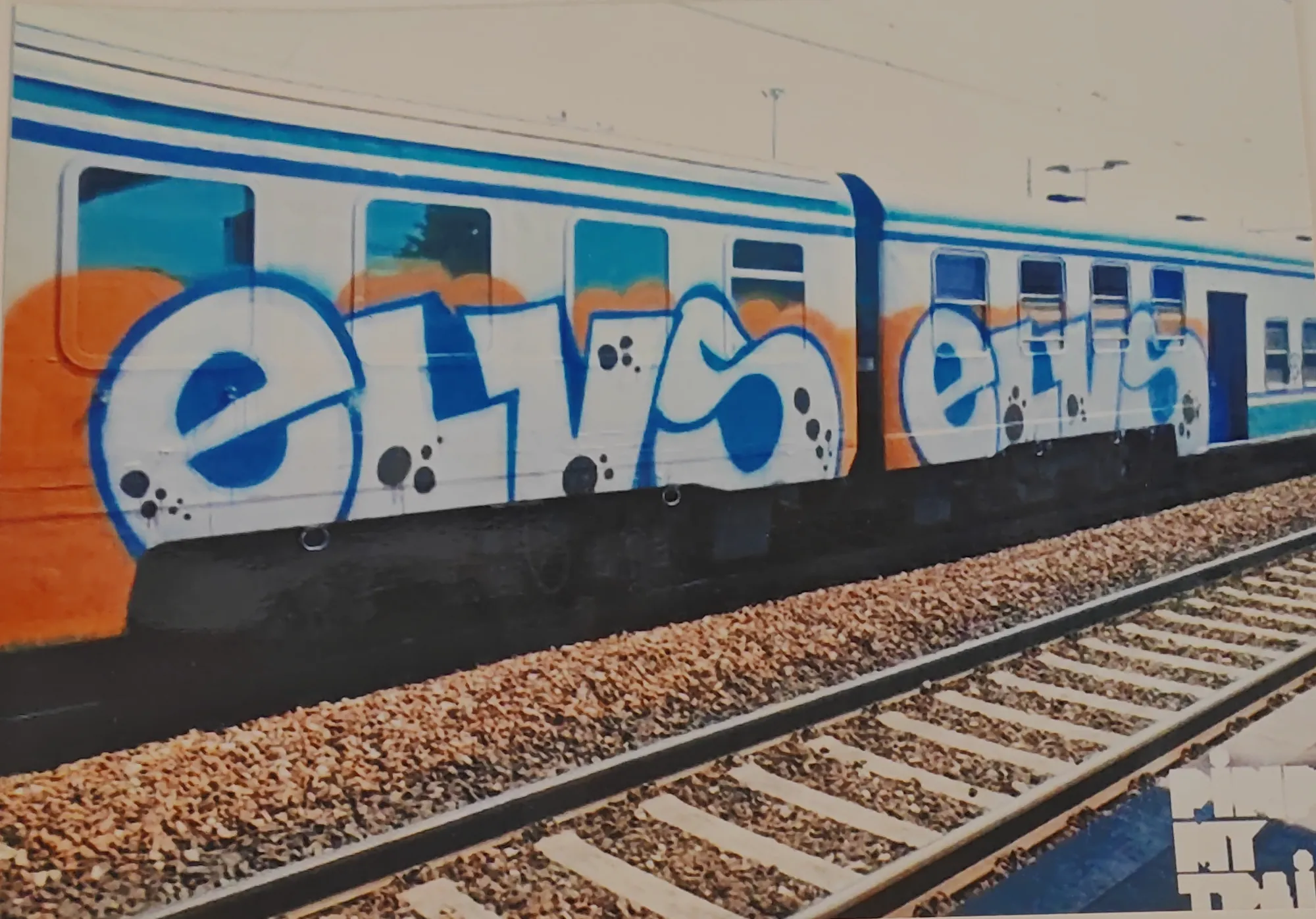
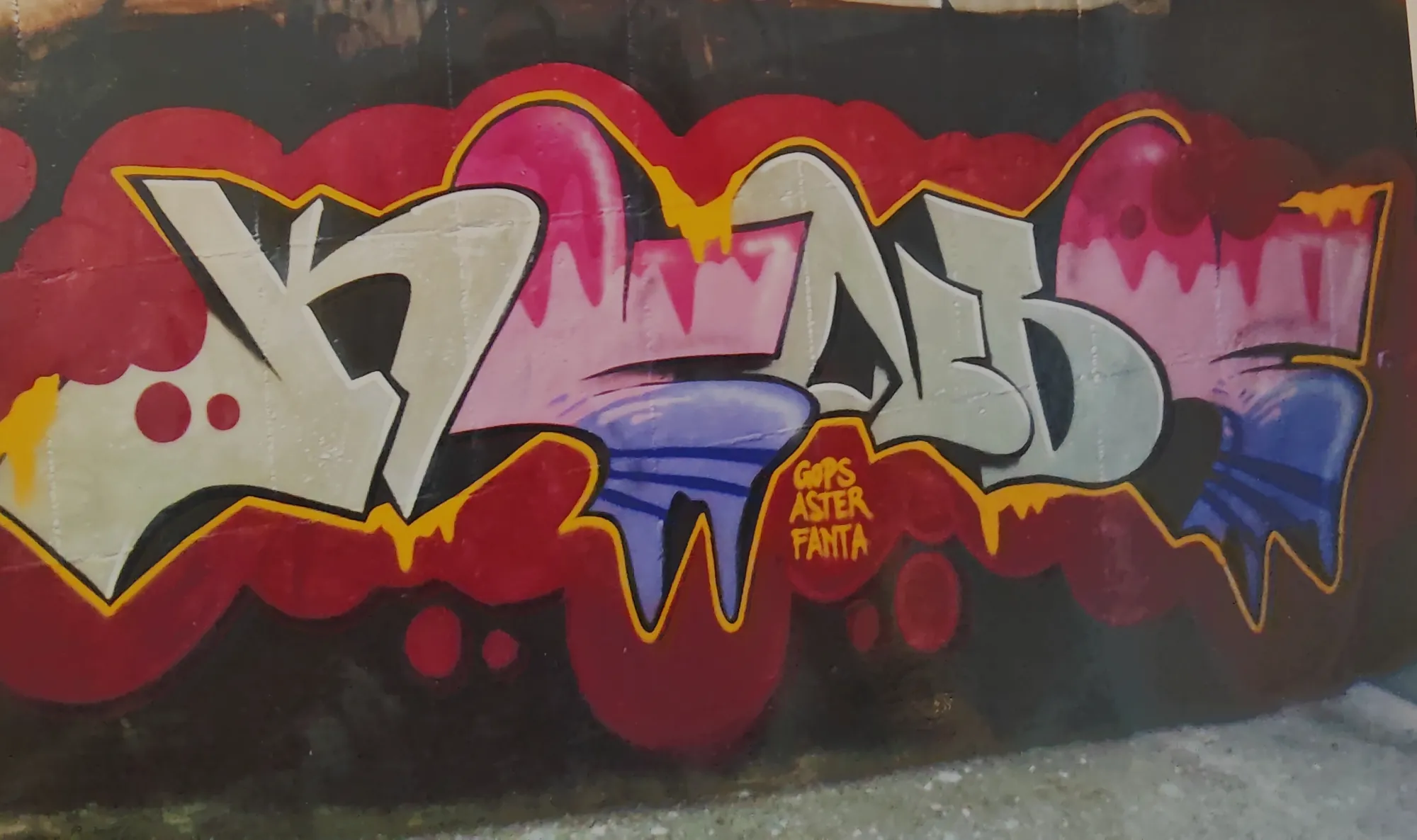
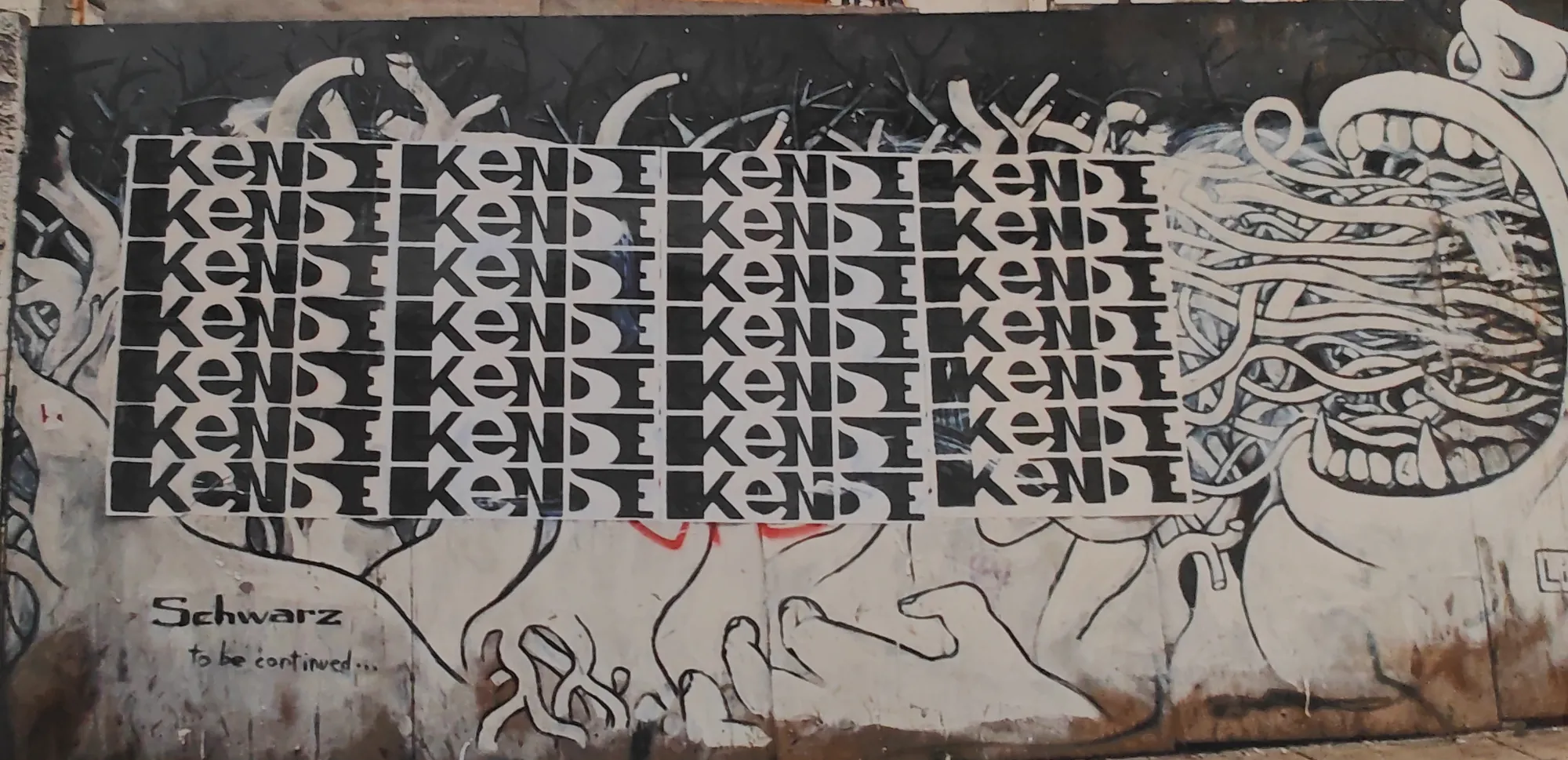
I met Fanta from Munich. He taught me so much and I’m still deeply grateful to him: a great writer and a good person. We painted together and everything grew exponentially: walls, trains with the ELVS crew, and the posters with KENDE repeated until it became a texture.
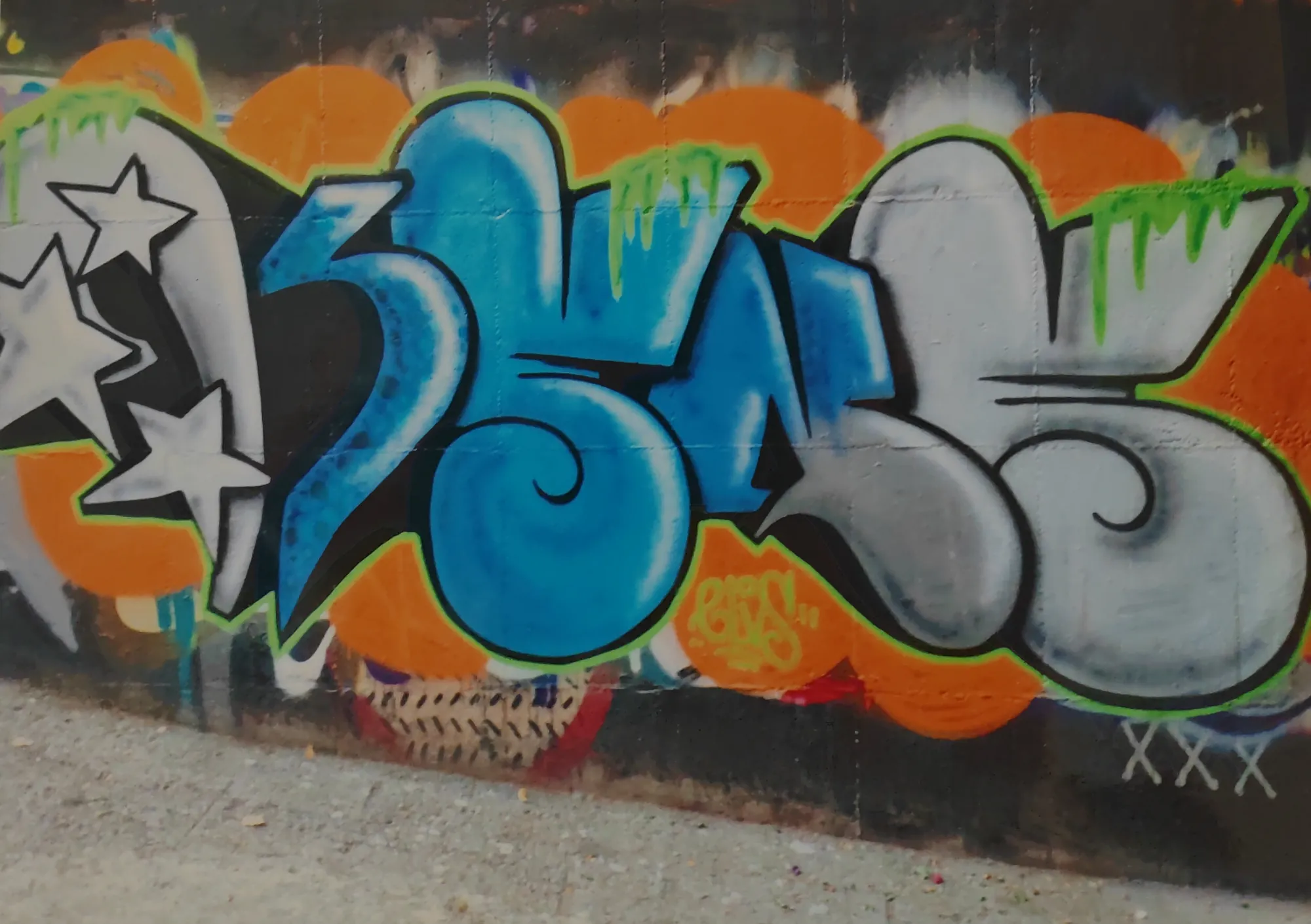
KENDE graffiti in light blue and silver with stars and green drips, 2001
Posters with KENDE repeated until it becomes a texture, on a wall painted by Schwarz
Passenger train painted with ELVS in white and blue by the ELVS crew, photo published on Pimp My Train
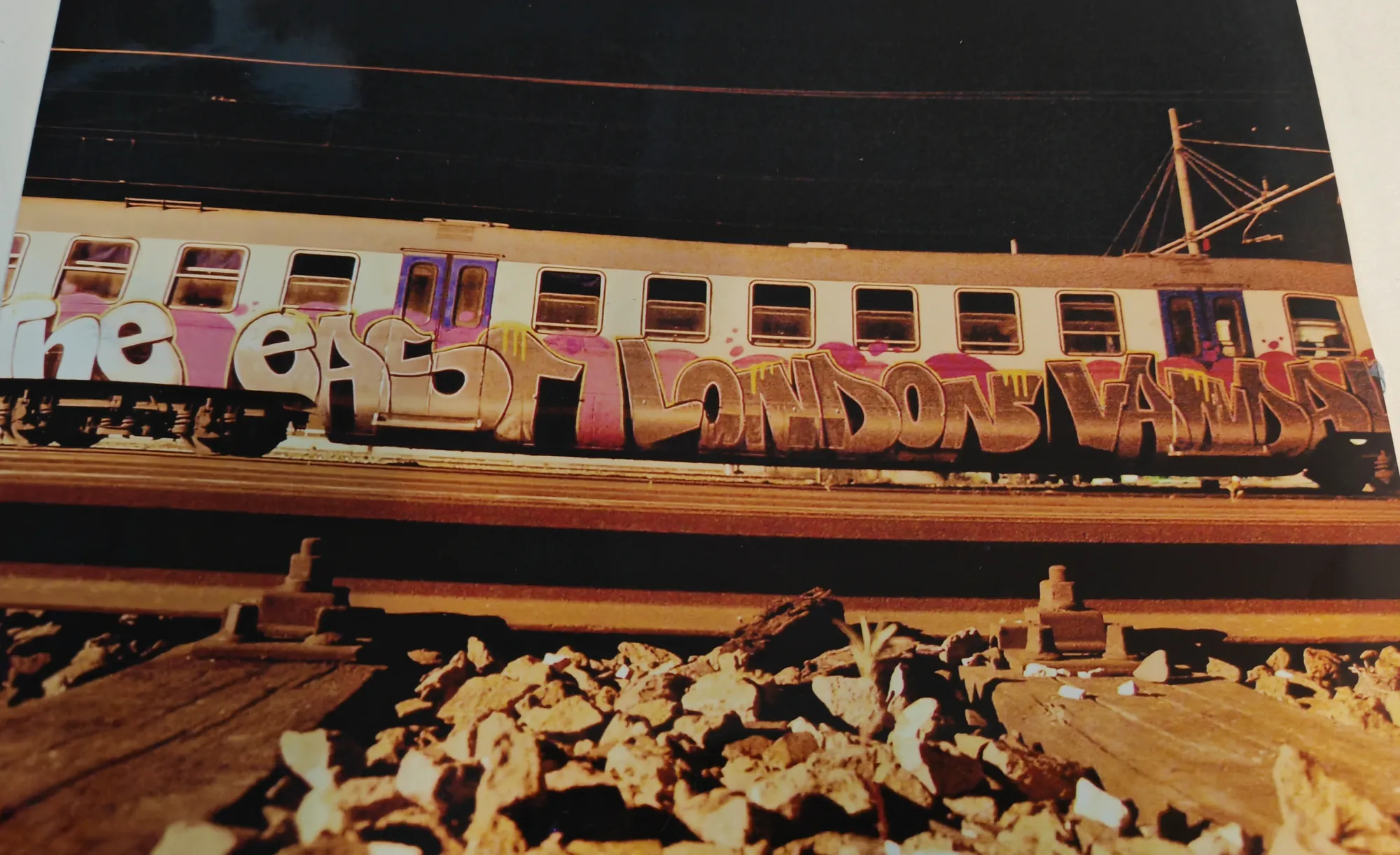
Passenger train painted with the words London Vandals, ELVS crew, 2001
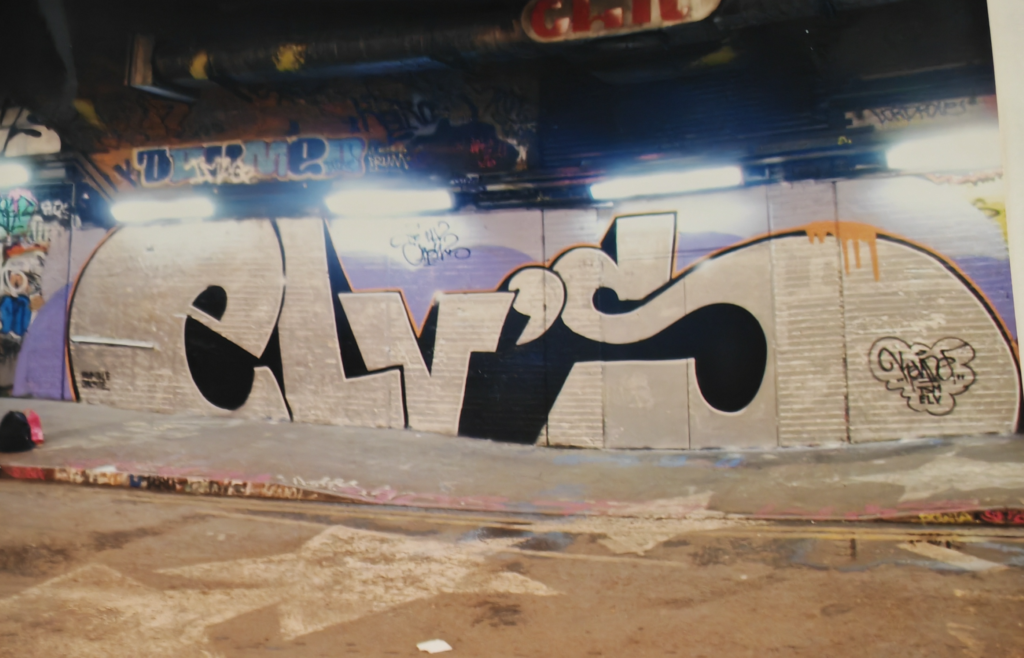
Silver ELVS piece in a London tunnel

2010A love story

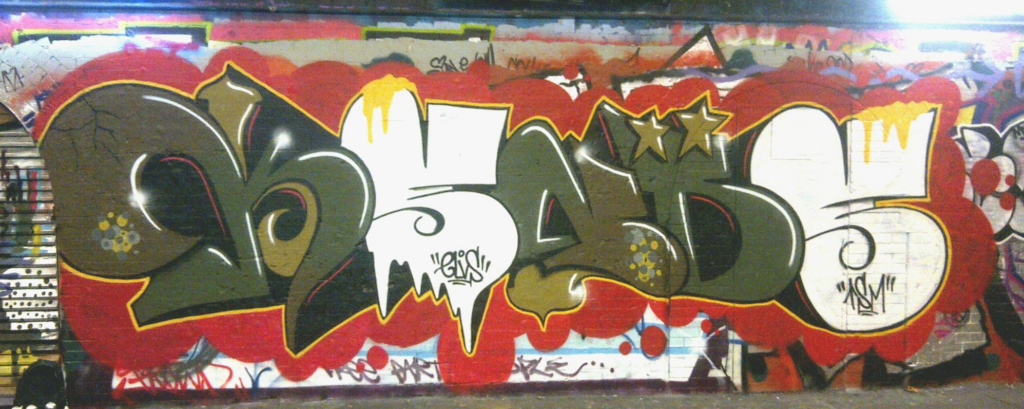
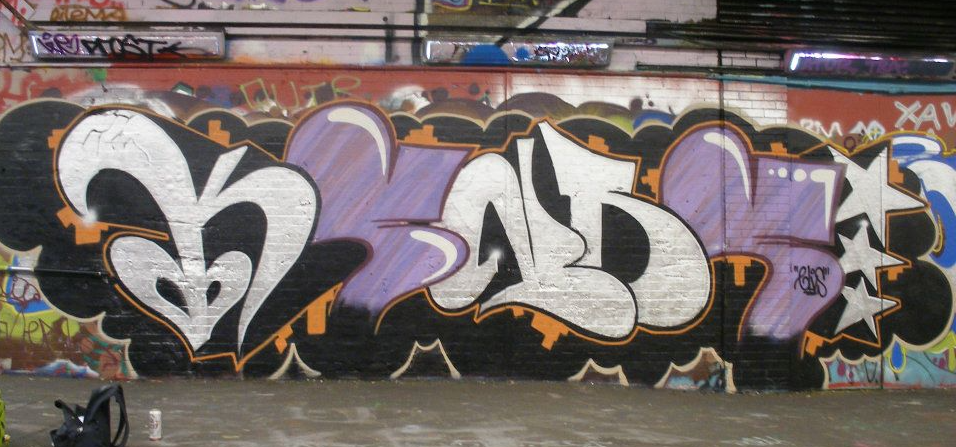
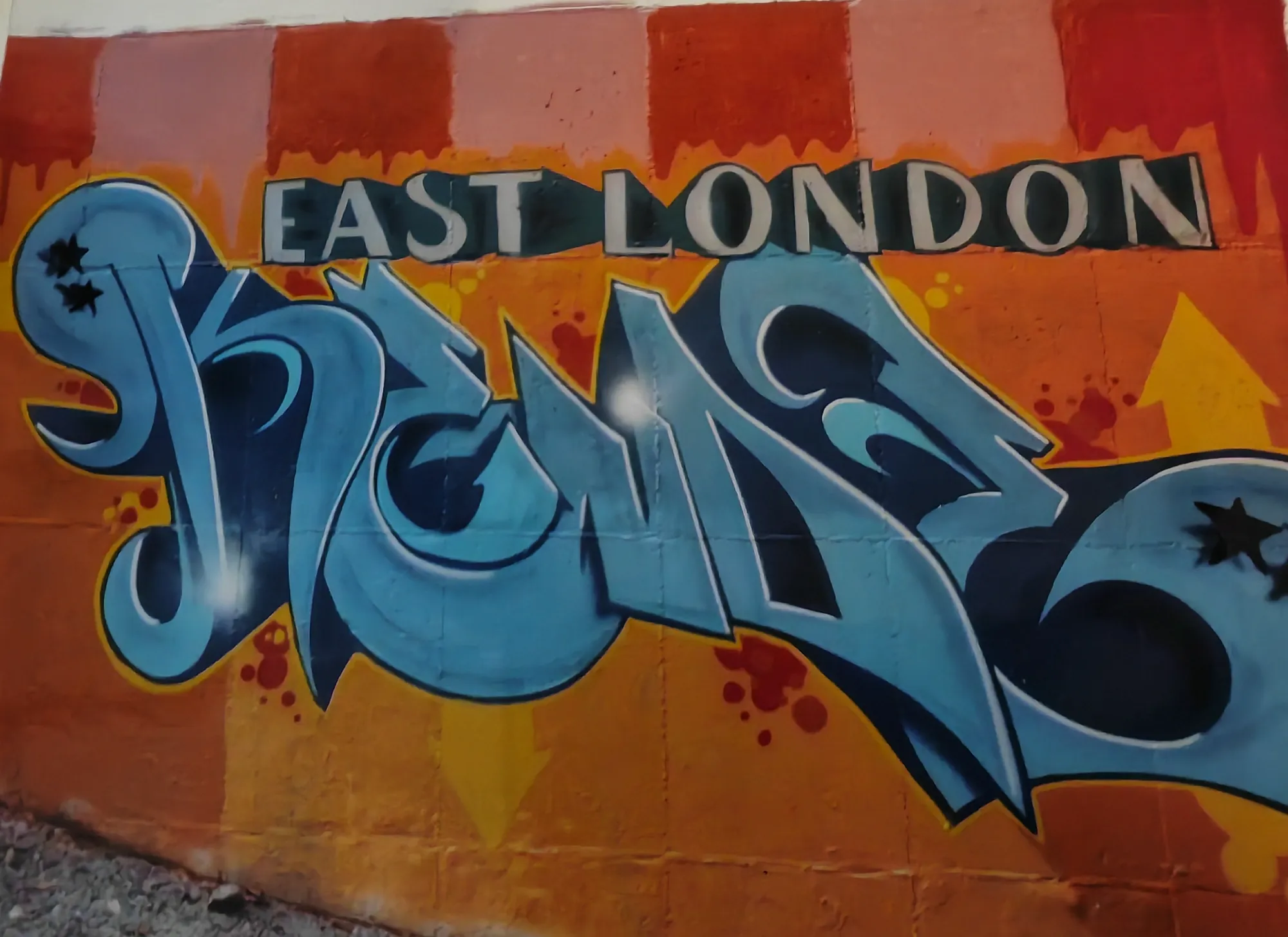
I moved to London, both to start my techno-minimal label and for graffiti. With the other Italian guys of the ELVS crew, together since 2001, we lived for nothing else, like vampires, always in the dark of the night. The Leake Street tunnel was our training ground: a new piece over the old one, again and again. I learned a lot in those years, good and bad.
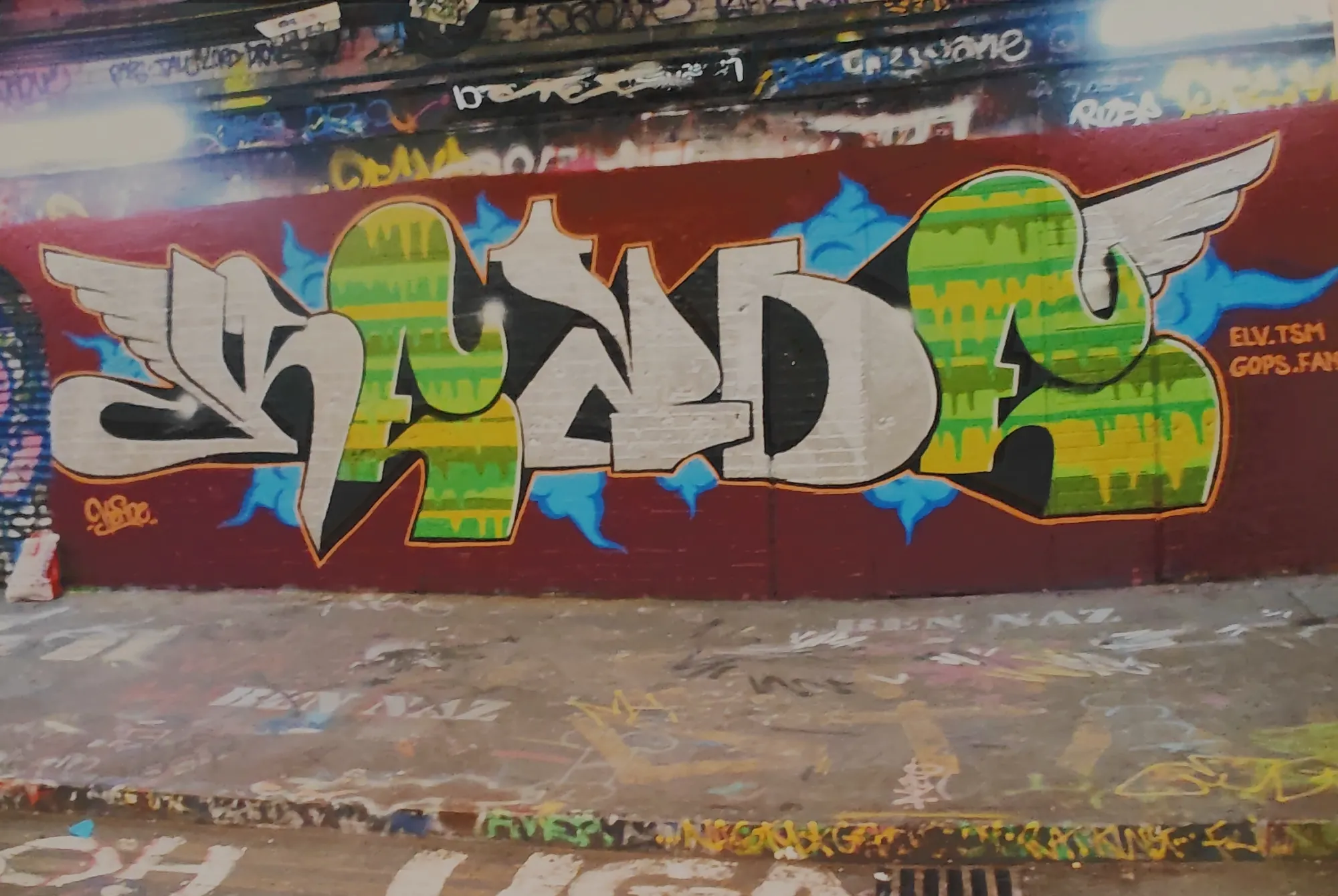
KENDE piece with white wings and green letters in Leake Street, London, 2010, signed ELV TSM and GOPS
Light blue KENDE piece under the words East London, London
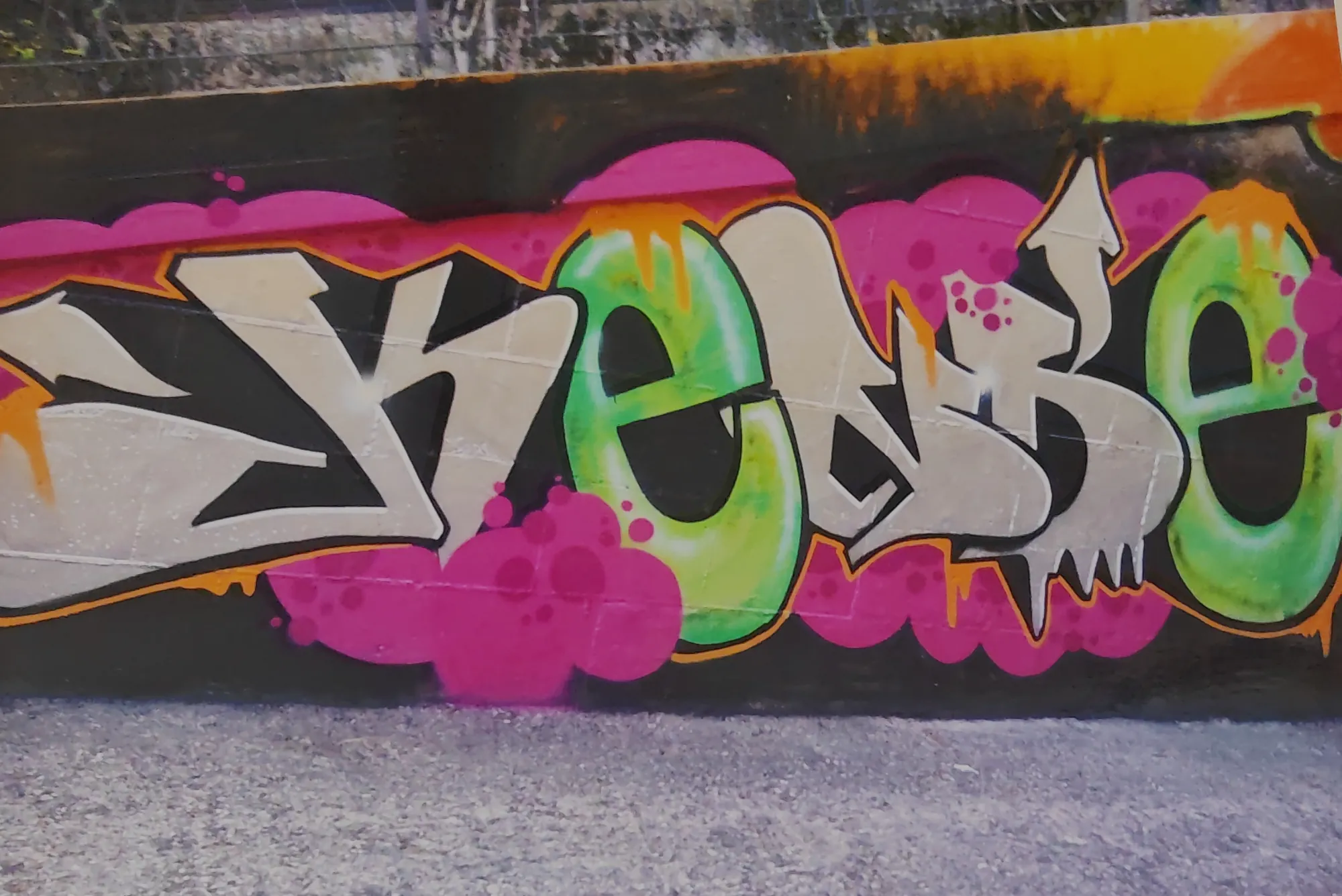
KENDE piece with green E letters on pink clouds in Leake Street, London, 2010
Red and purple KENDE piece in Leake Street, London, with shout-outs to GOPS, Aster and Fanta
Olive green and white KENDE piece on a red background in Leake Street, London
Silver and purple KENDE piece in Leake Street, London

2011Calligraffiti

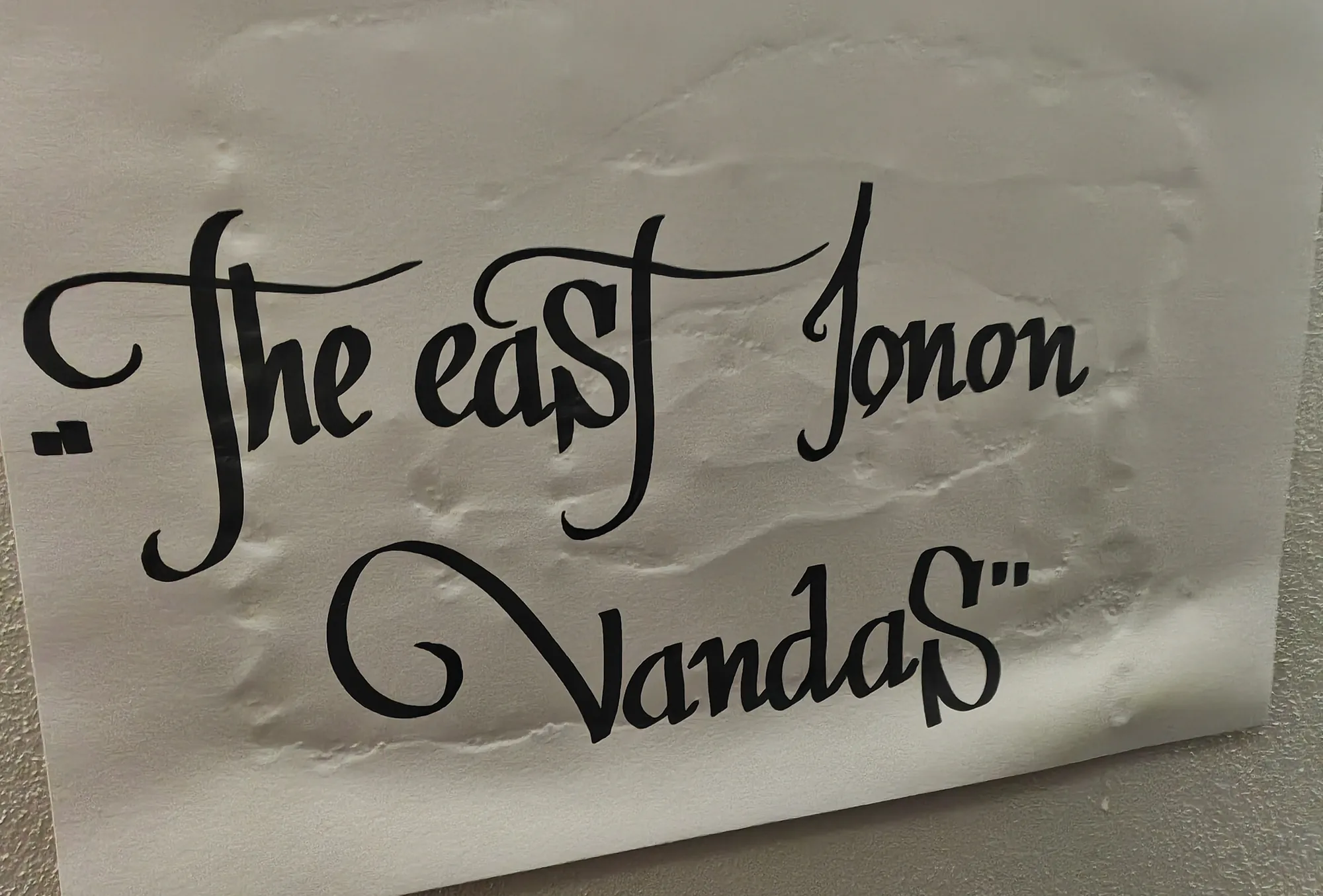
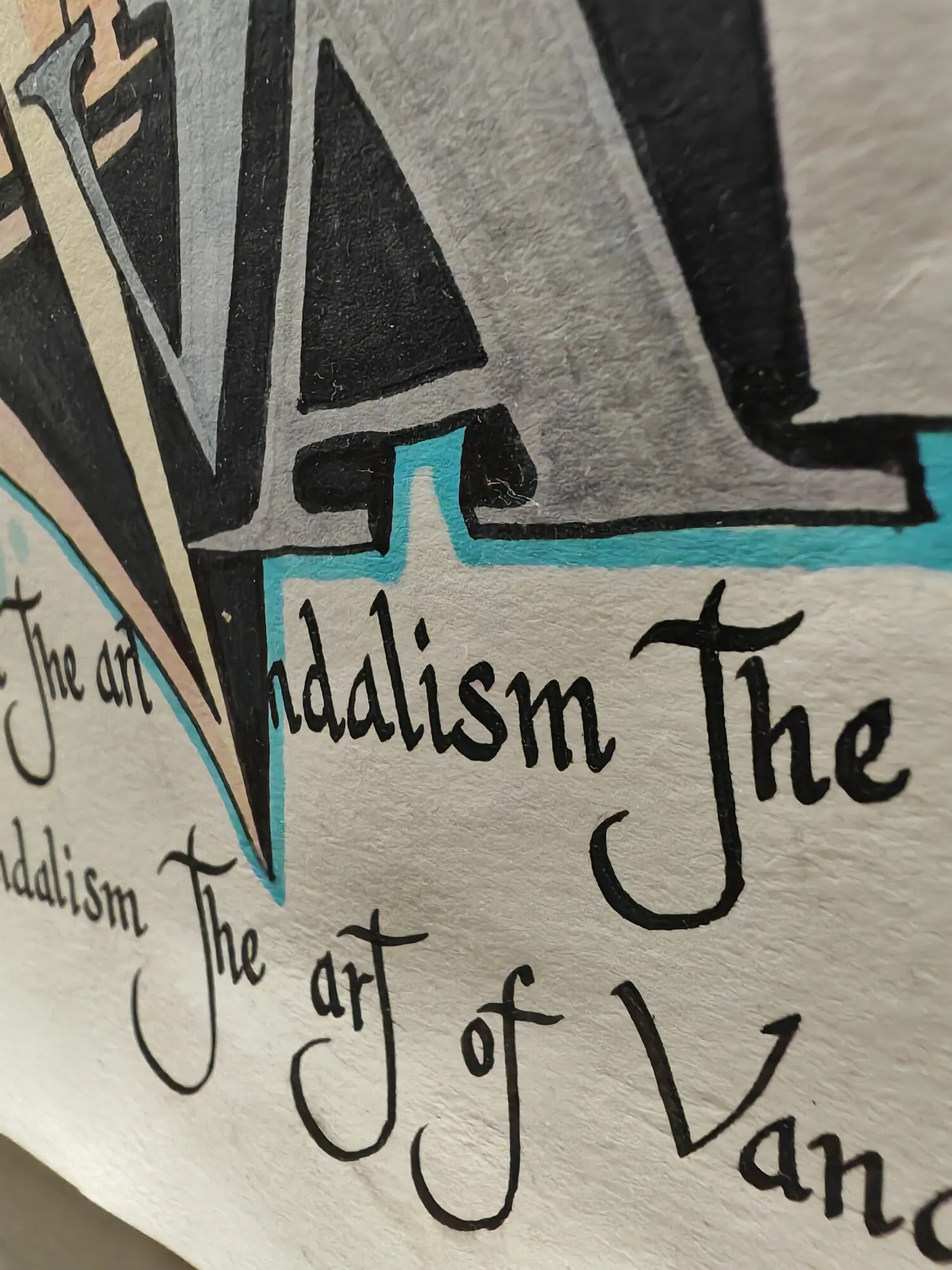
I took calligraphy courses and was more and more fascinated by classical writing, with nibs and ink. First in pencil, then in ink, I began to let graffiti letters live alongside calligraphic ones: «The art of Vandalism», «The East London Vandals», «Più niente…». That’s where calligraffiti was born.
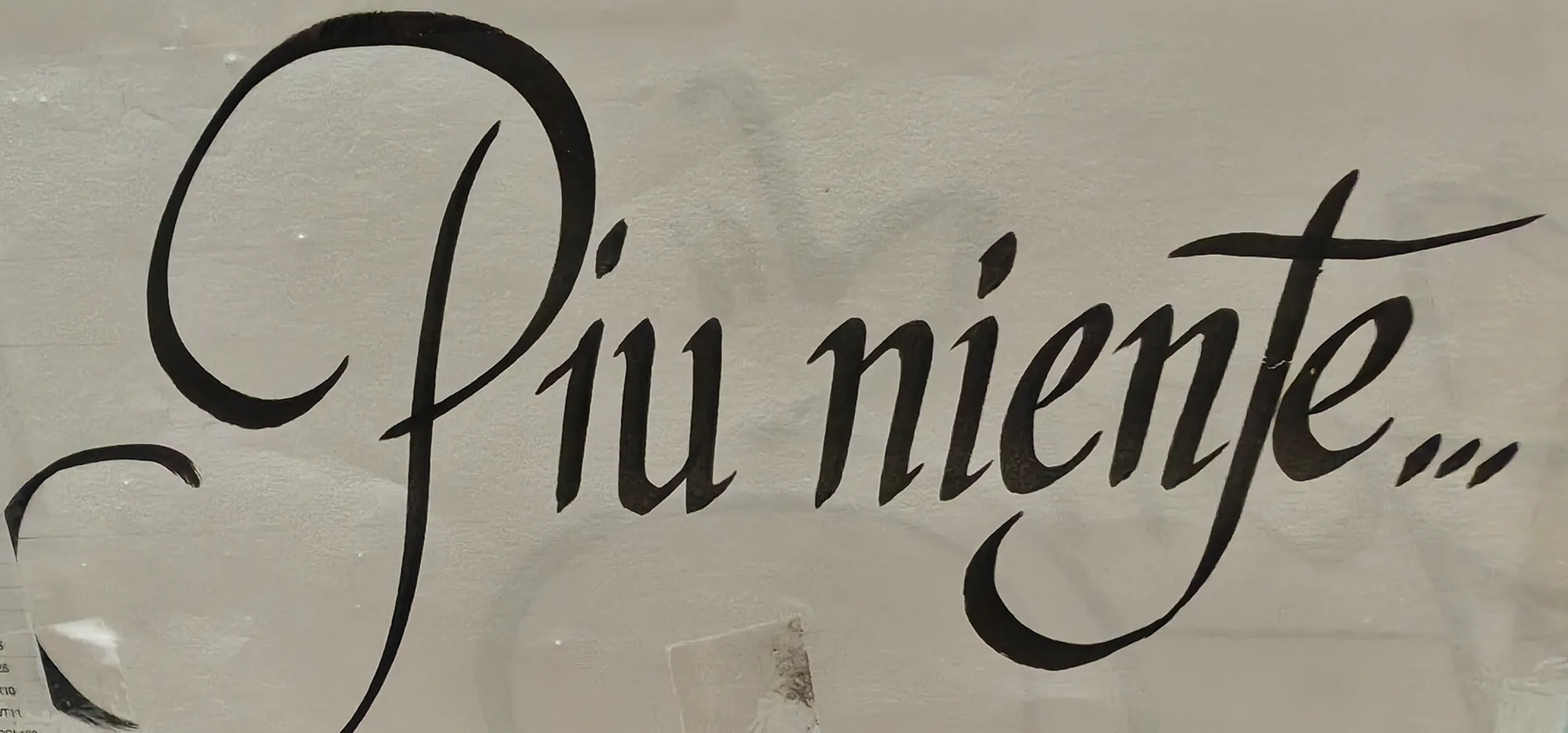
Nib calligraphy by Kende: «Più niente…»
Calligraffiti by Kende: large coloured letters and the phrase «The art of Vandalism» written with a nib
Calligraphy by Kende, nib on paper: «The East London Vandals»
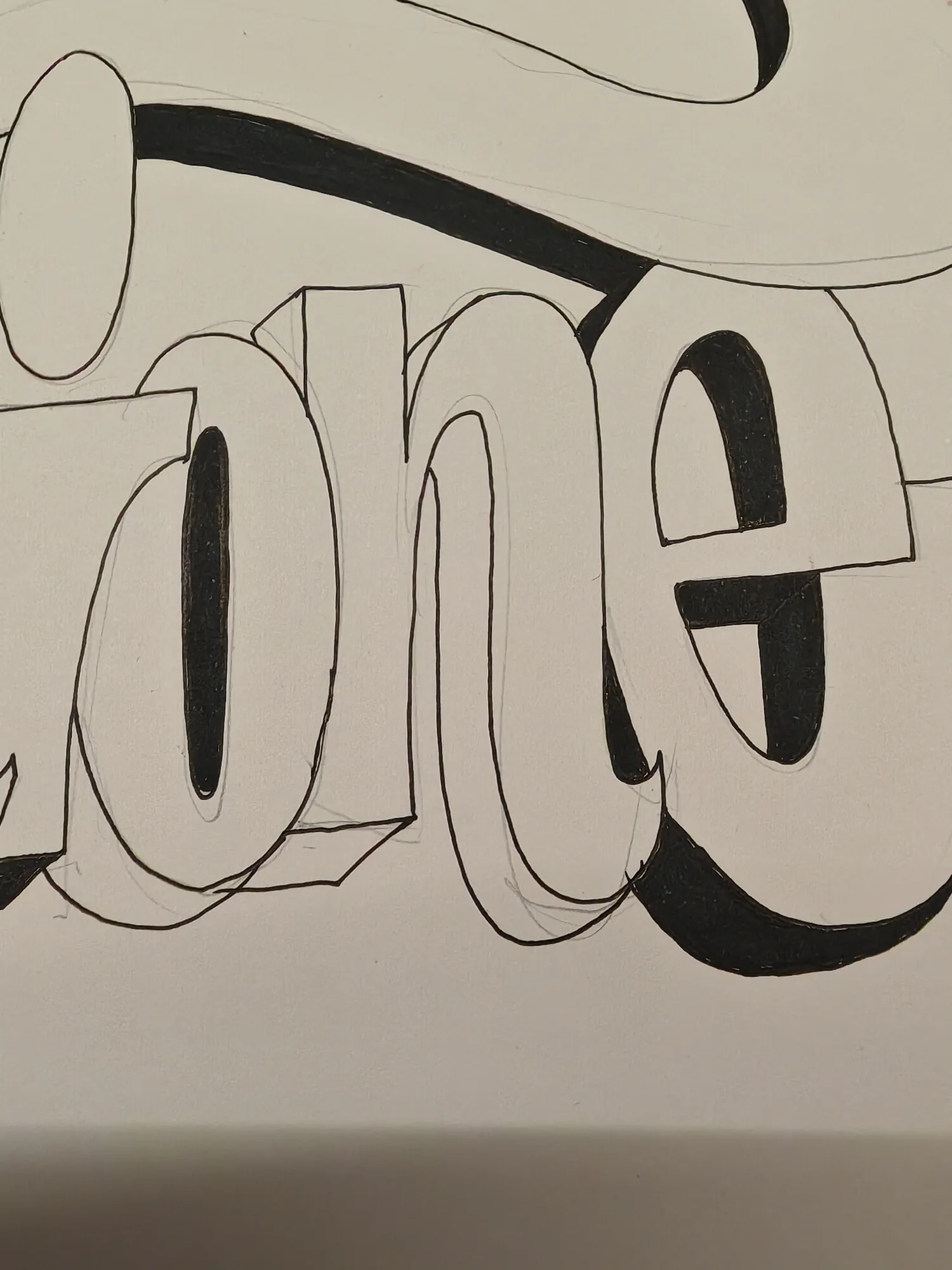
Letters «one» drawn in pencil and inked over: Kende’s calligraffiti as it is born

2012Dirty hands

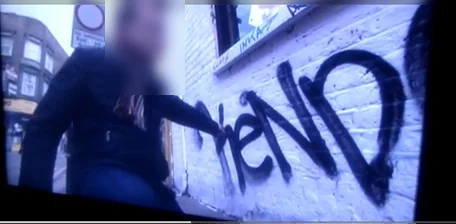
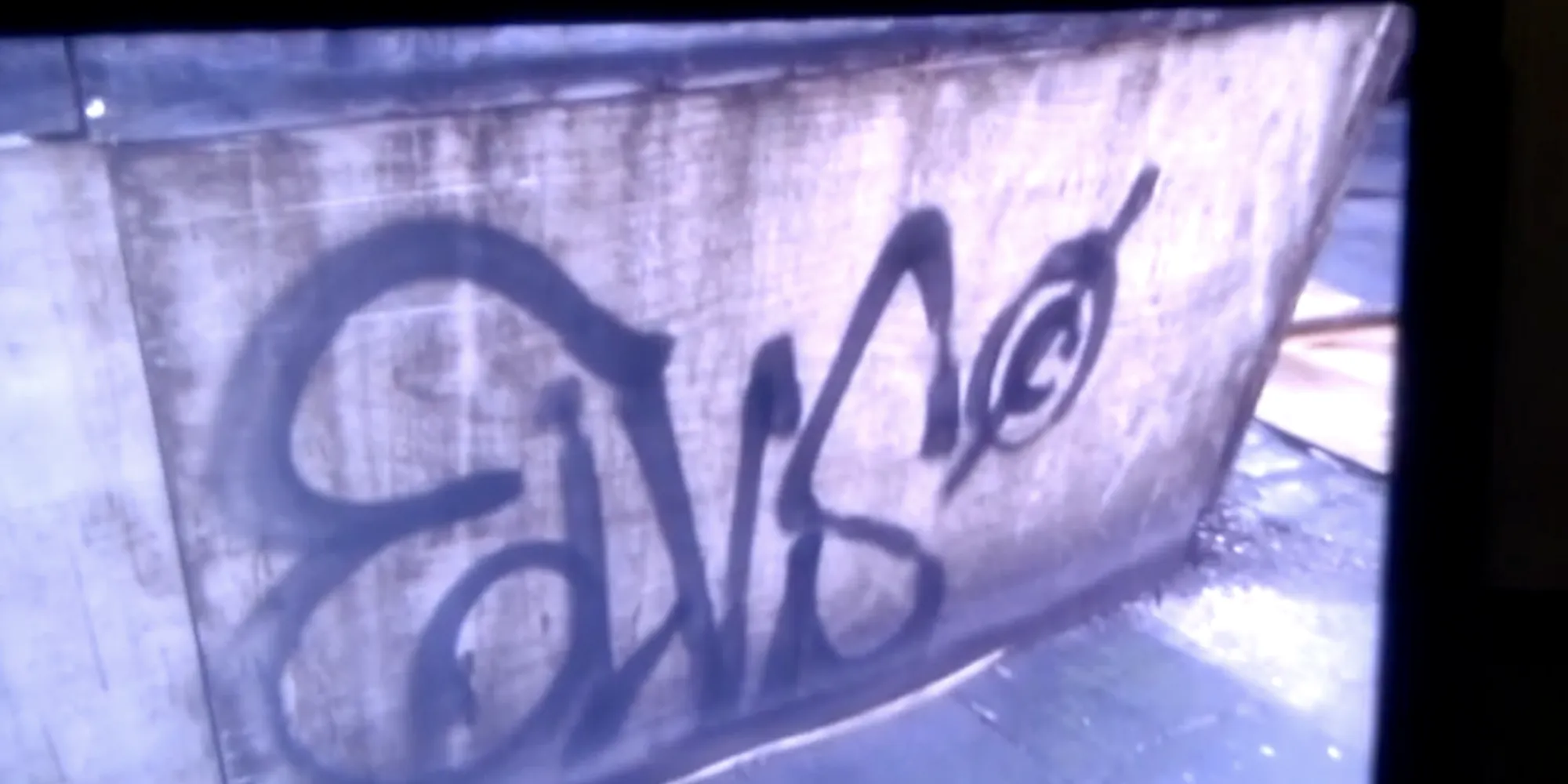
If you are prolific as a writer, problems inevitably arise: the arrests started, along with community service, the BBC’s trick interviews and everything else.
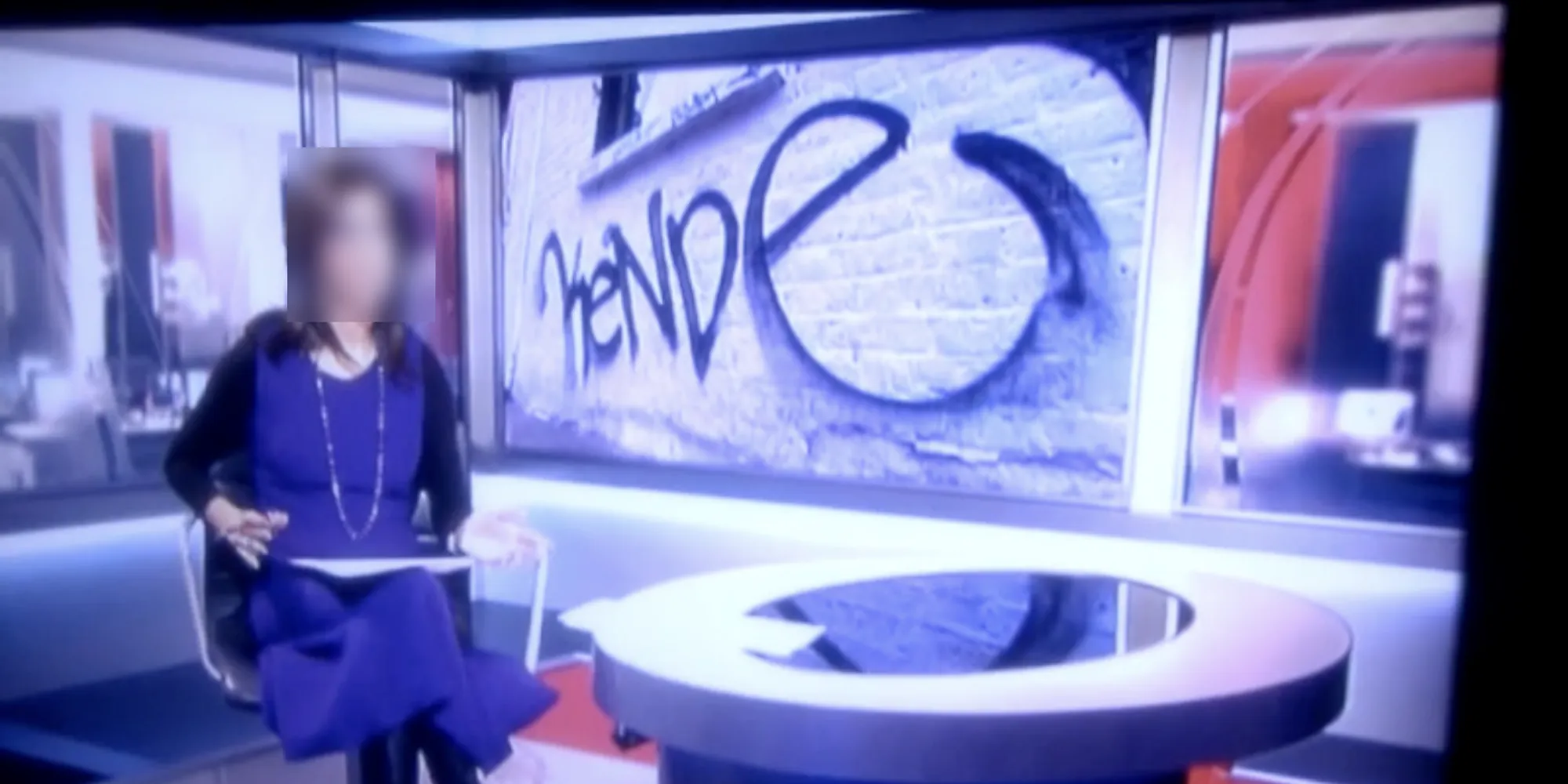
BBC News report of 21 February 2011 on Brick Lane tagging: the KENDE tag on the studio screen
ELVS tag on a London wall in the 2011 BBC News report
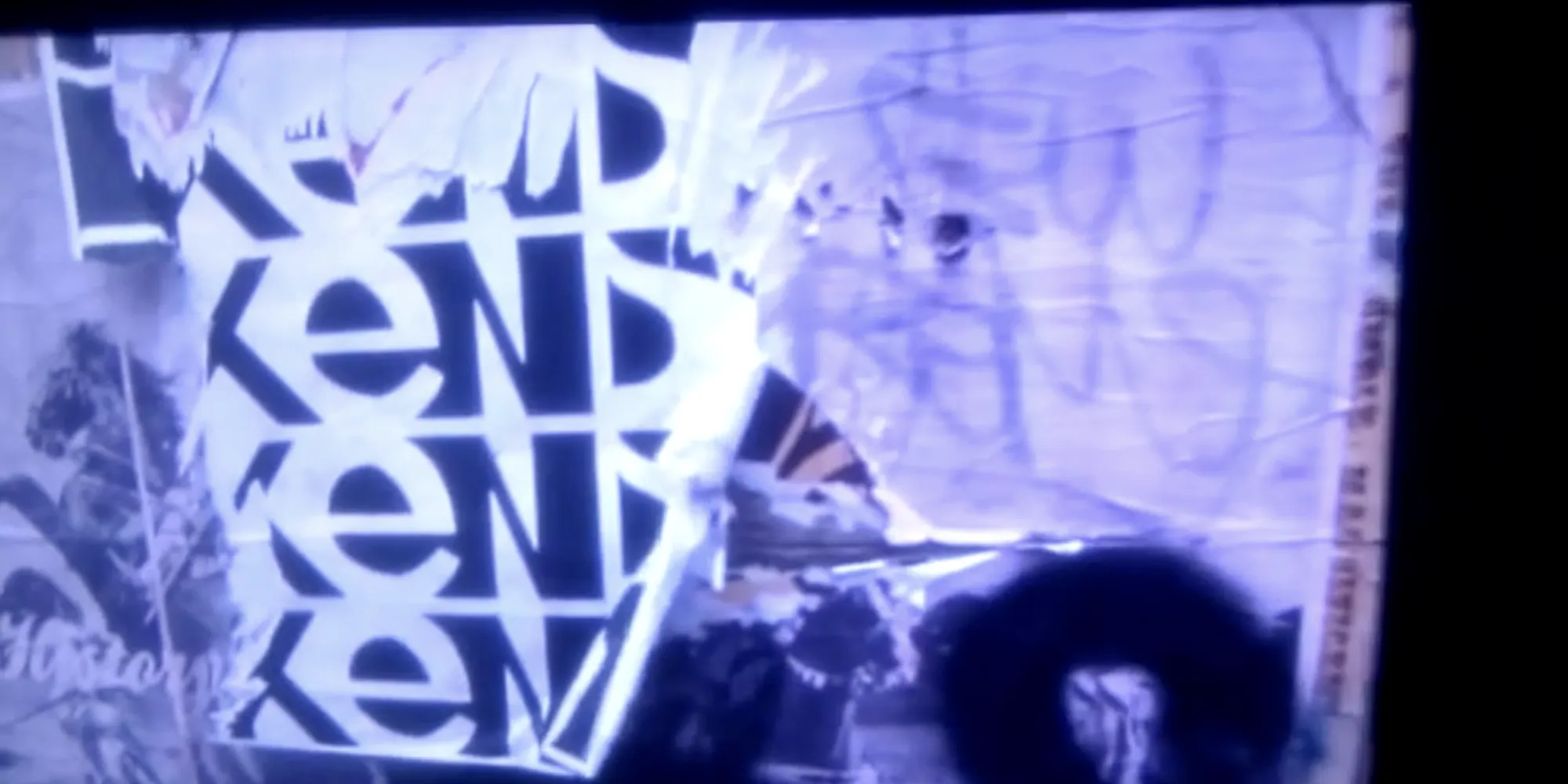
Posters with KENDE repeated in Brick Lane in the 2011 BBC News report
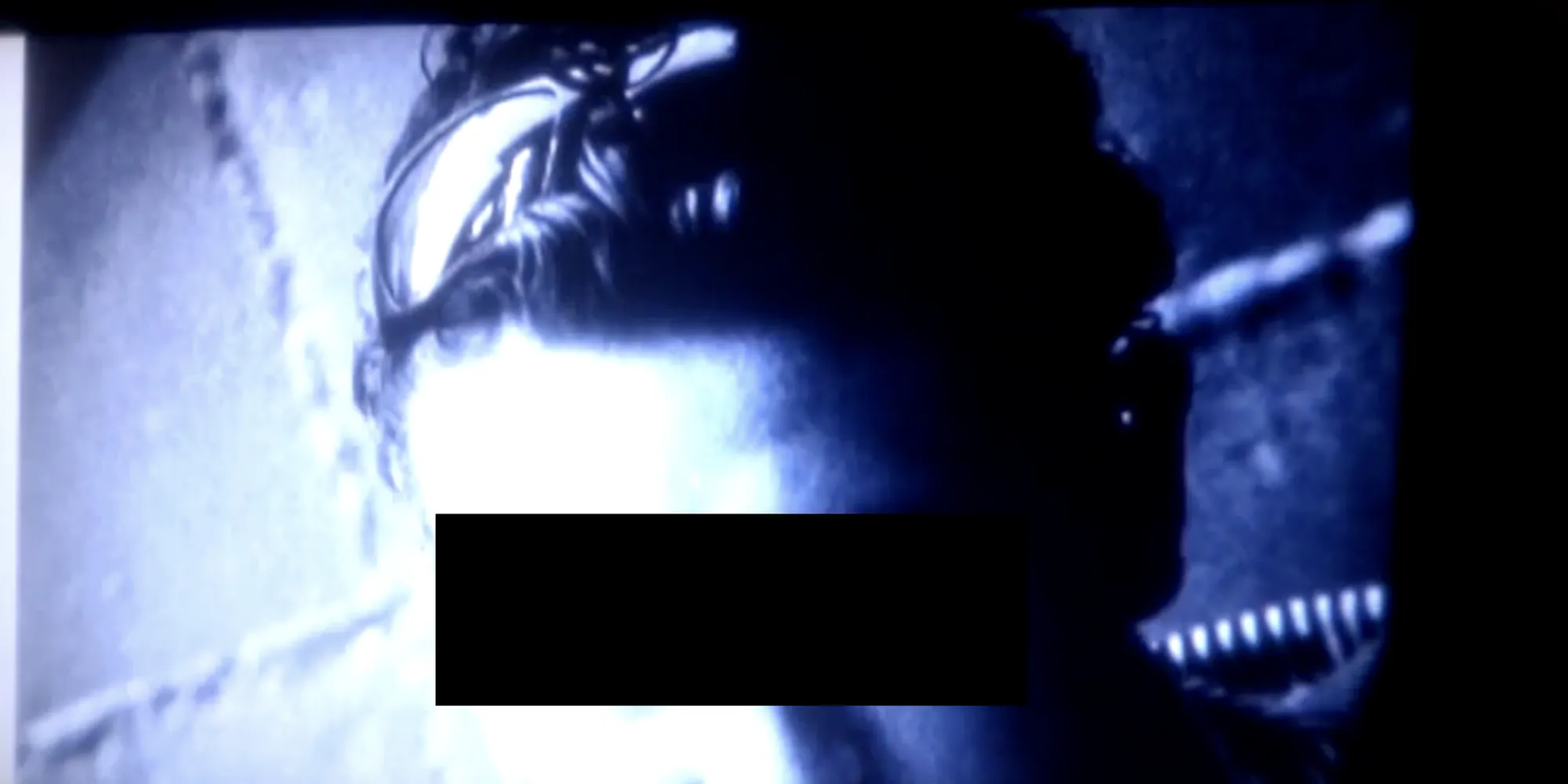
Kende filmed in the 2011 BBC News report, eyes covered
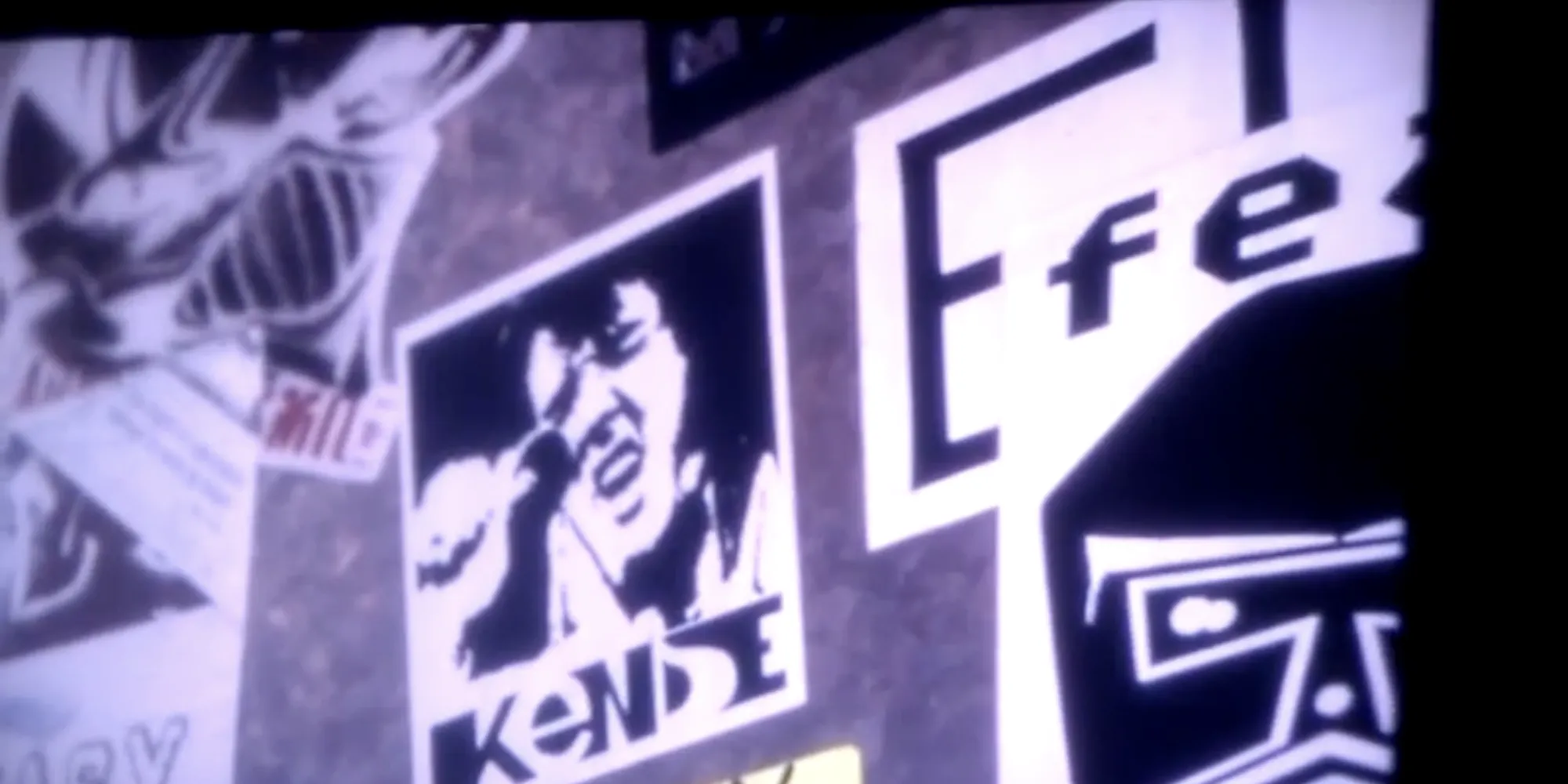
KENDE stencils and stickers in Brick Lane in the 2011 BBC News report
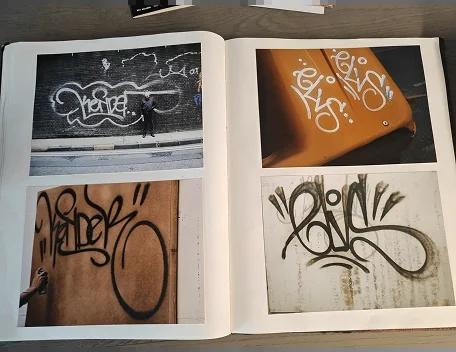
Pages of a book with photos of KENDE and ELVS tags on walls and surfaces
BBC still: a man points at the KENDE tag on a brick wall, face obscured

2013Interference

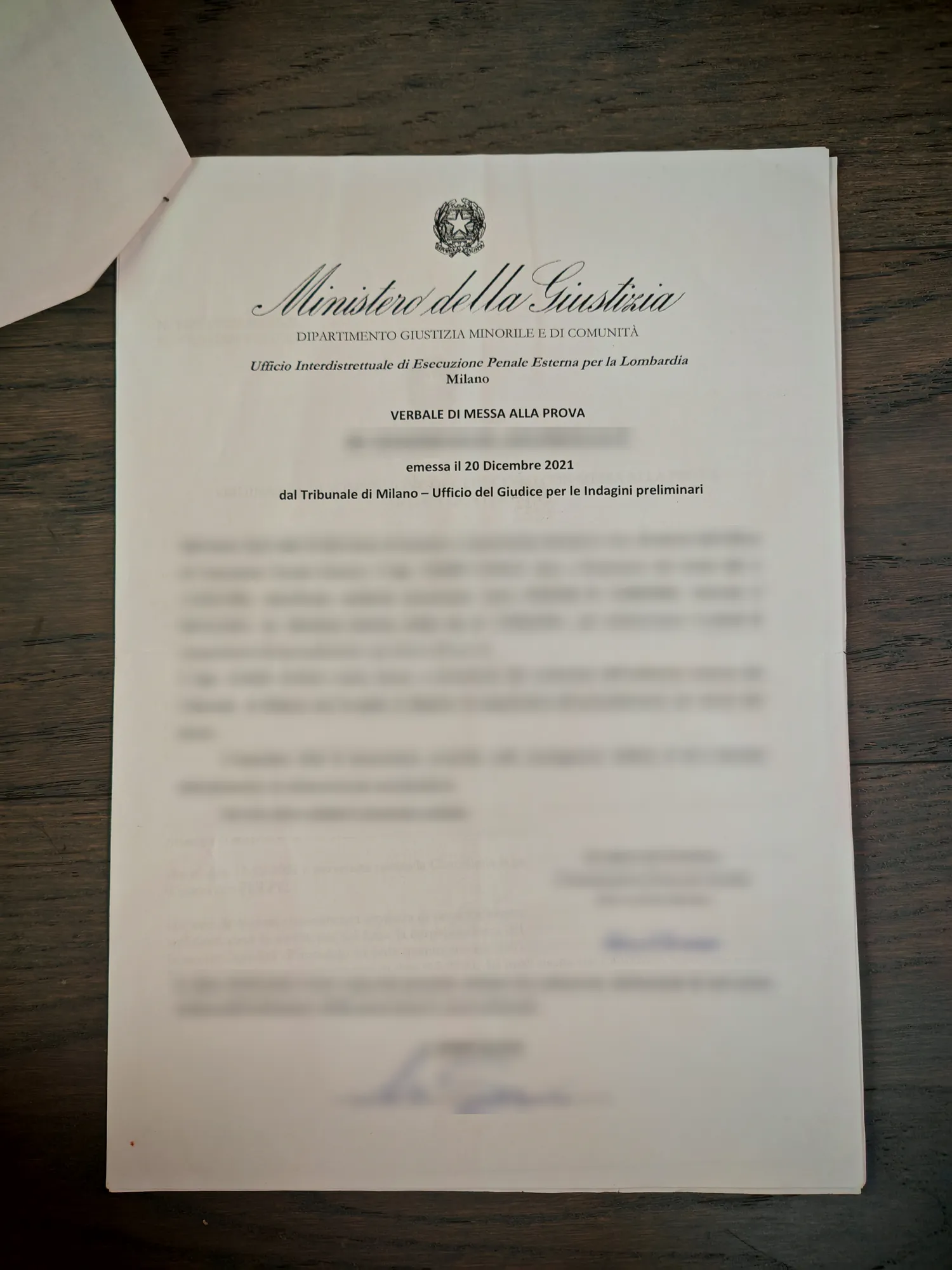
The time had come to return to Italy. I chose Milan, the only Italian city that can be called a city rather than an overgrown town. I kept painting there, but after just six months I got a visit from the criminal police at five in the morning. Nothing dramatic: a few hundred hours of community service and a hefty fine — paid down to the last cent. That chapter, with everything it involved, closed there.
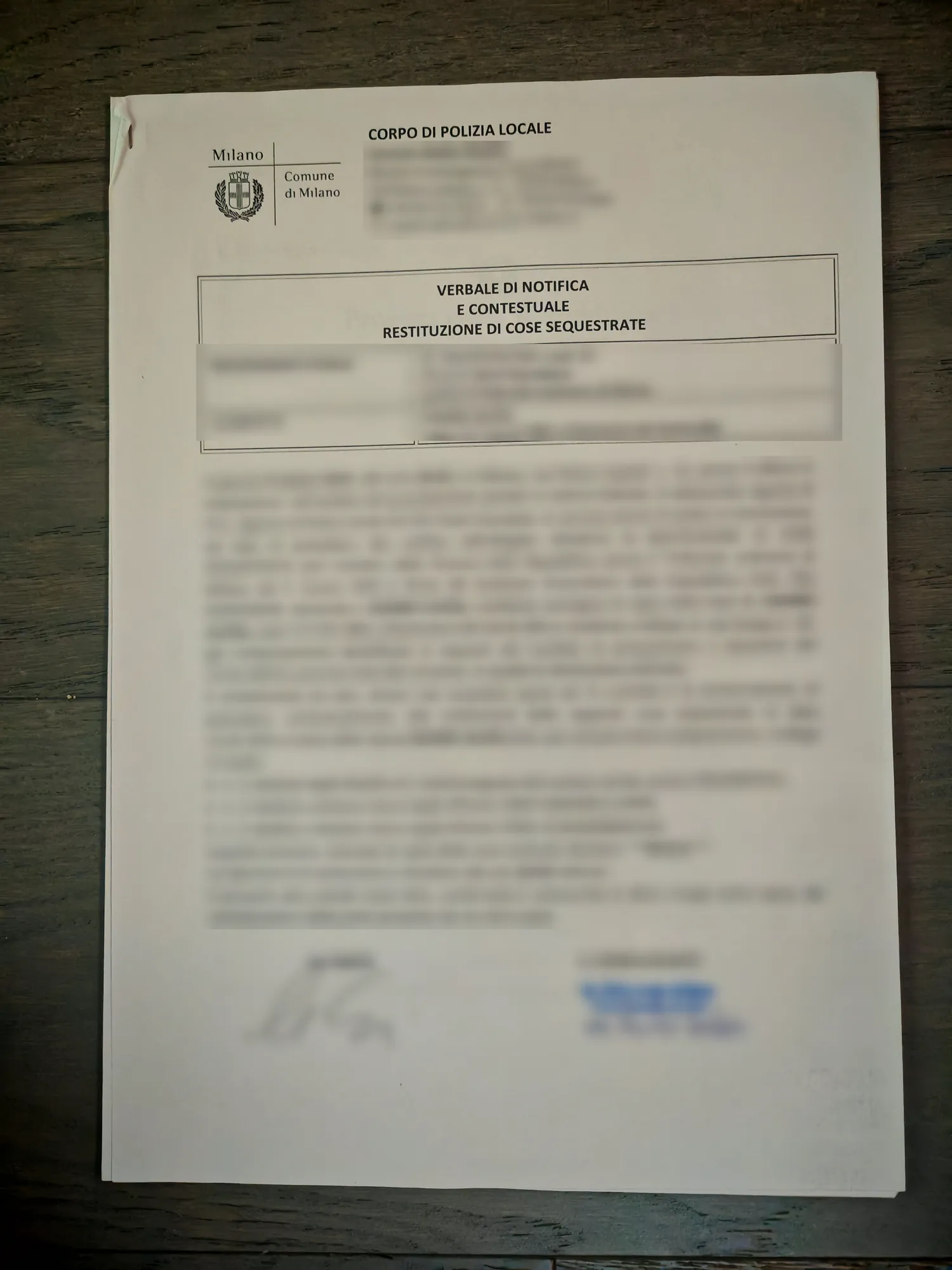
Milan Local Police report on the return of seized items, personal data obscured
Ministry of Justice probation report, personal data obscured
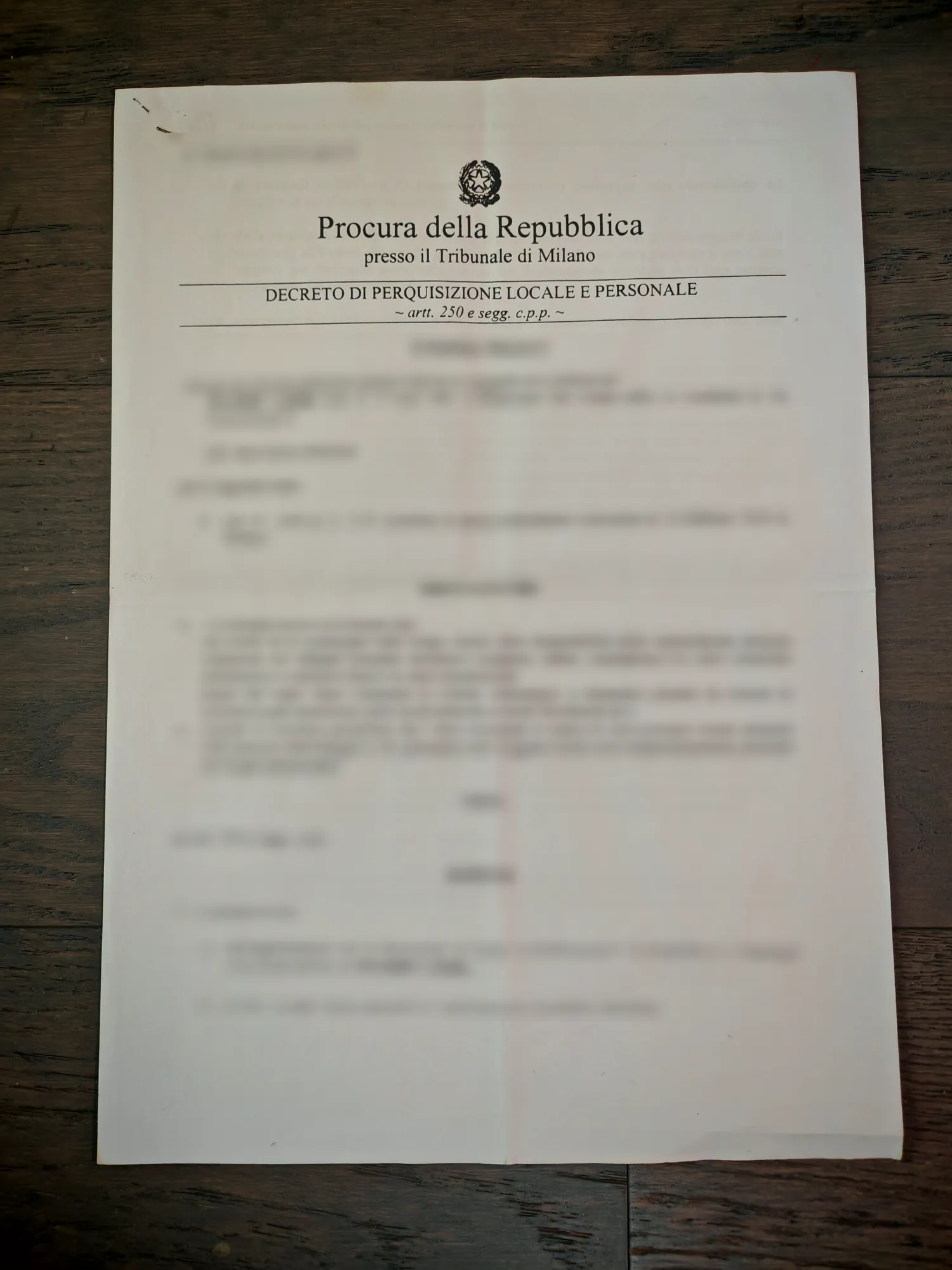
Search warrant from the Milan Public Prosecutor’s Office, personal data obscured
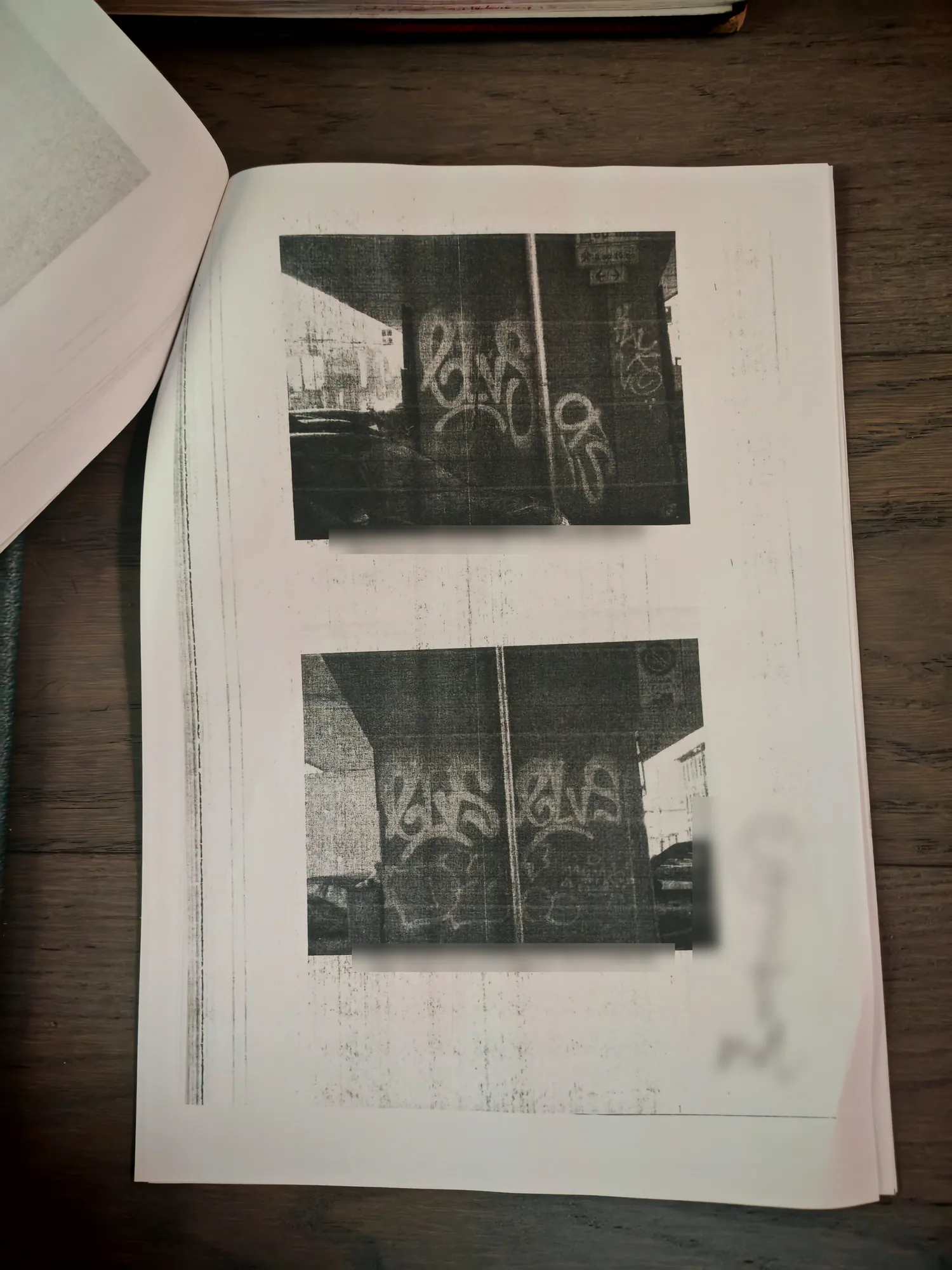
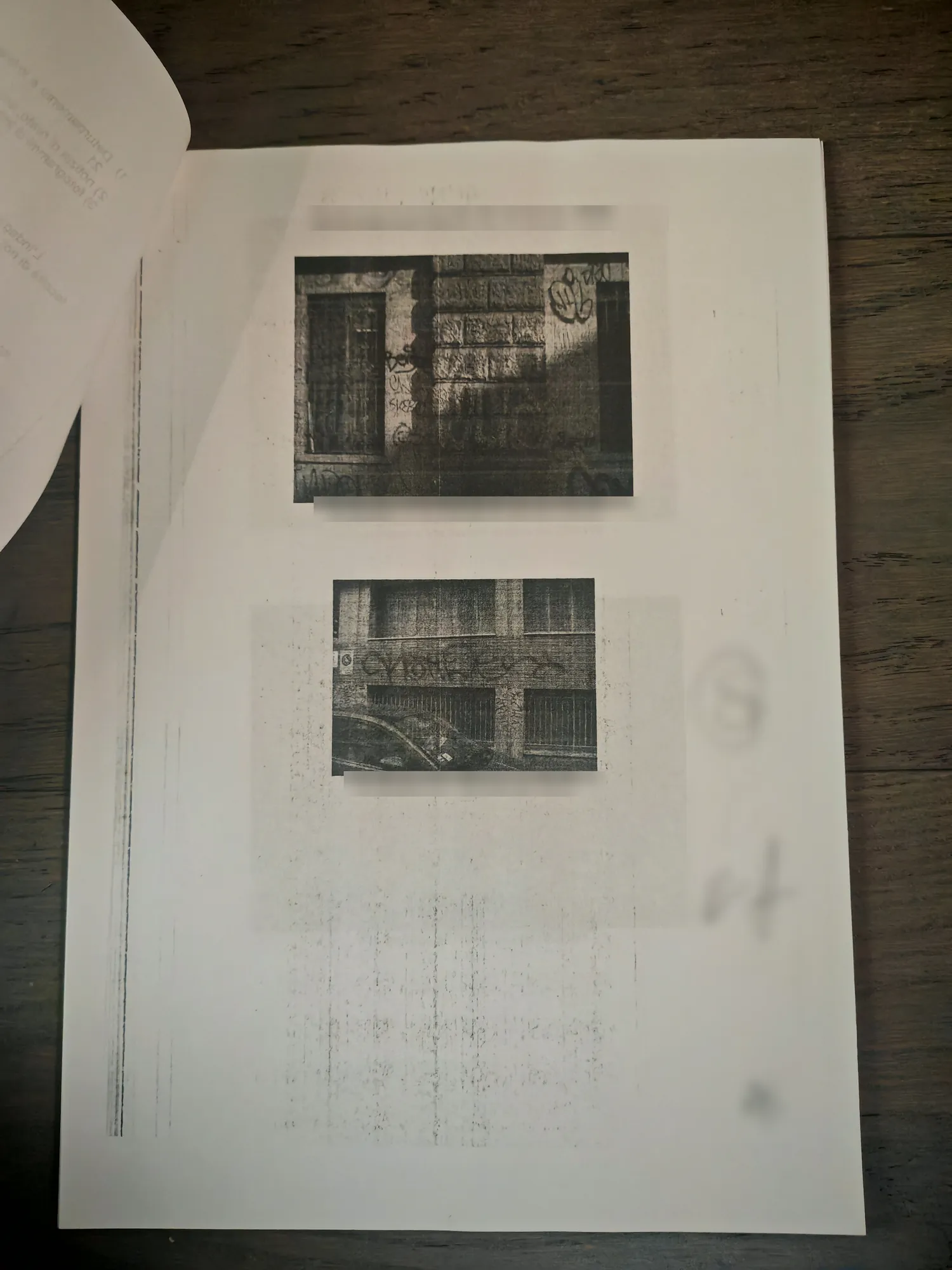
Photos of ELVS pieces attached to the case files in Milan, captions obscured
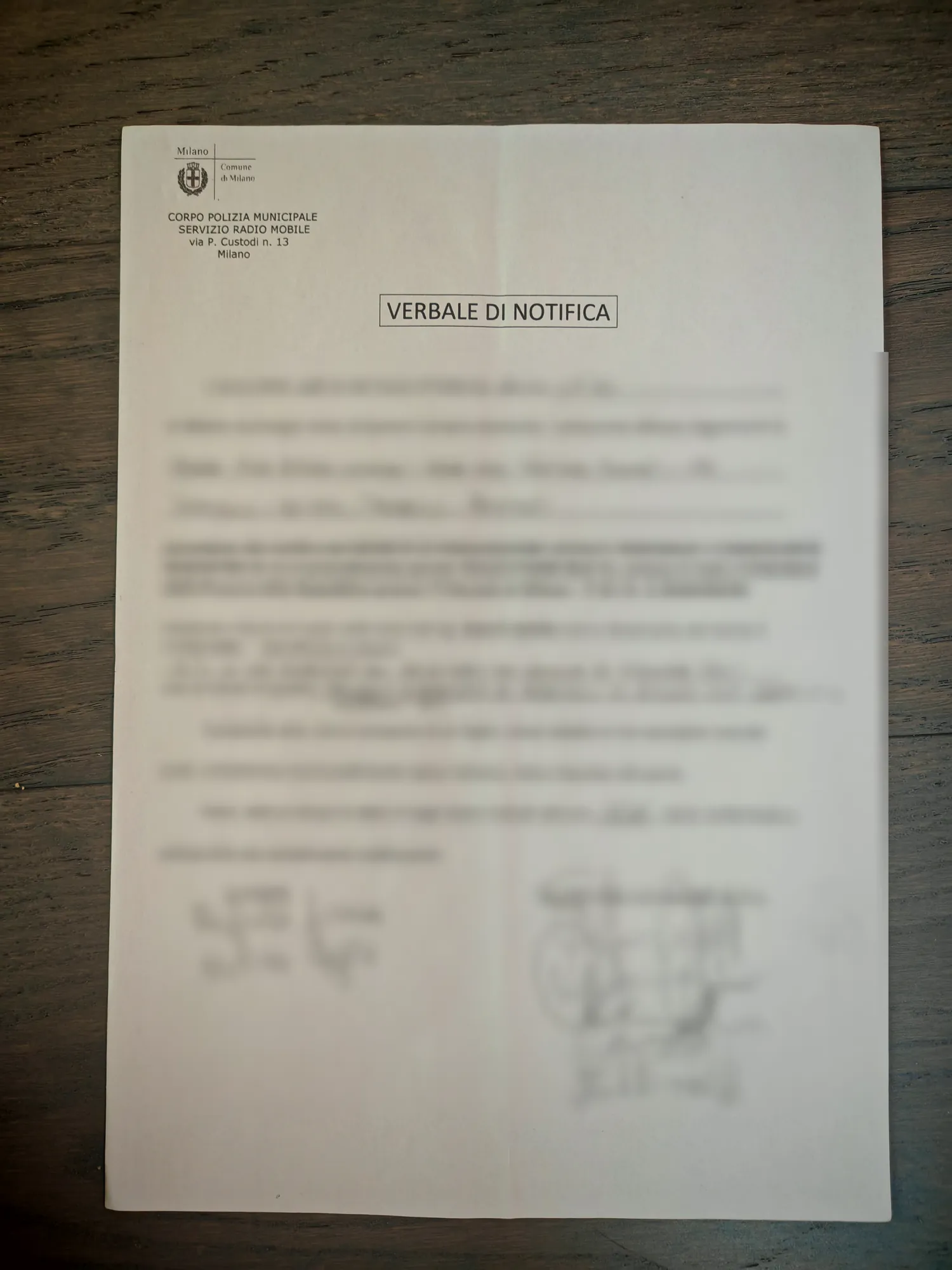
Notification report from the Milan Municipal Police, personal data obscured
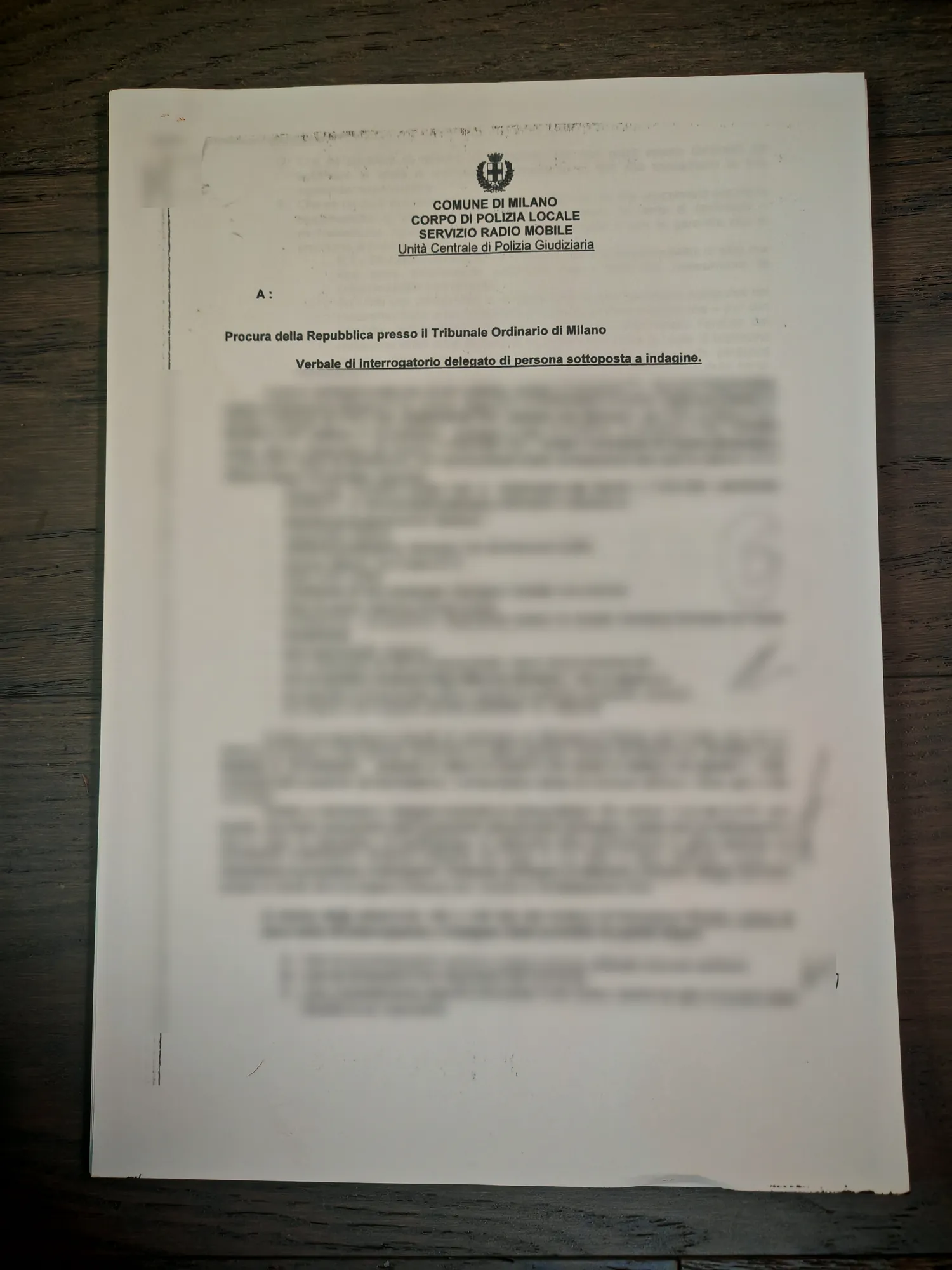
Interrogation report from the Milan Local Police, personal data obscured
More photos of tags attached to the case files in Milan, captions obscured
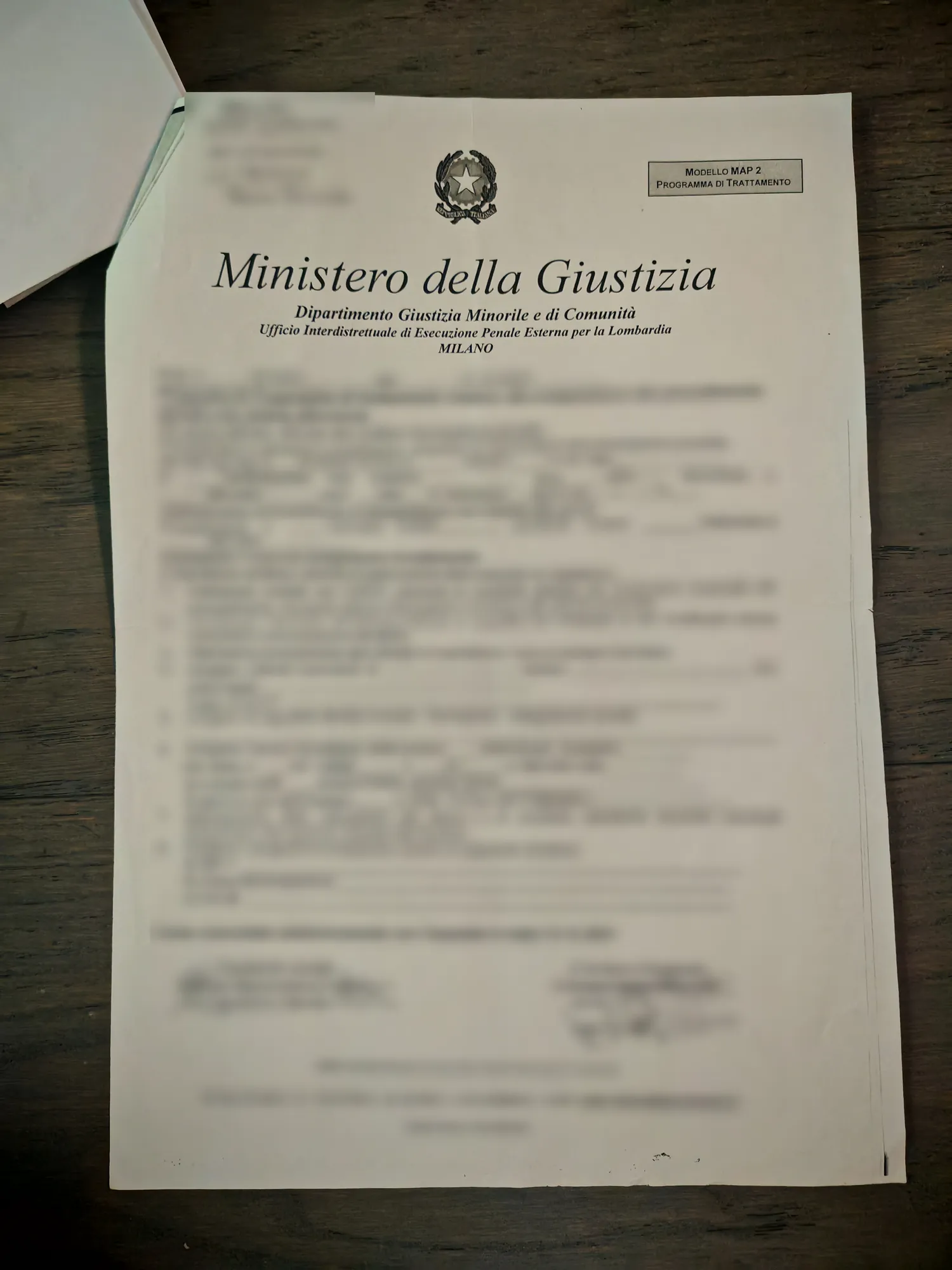
Probation treatment programme from the Ministry of Justice, personal data obscured

2016The Evolution…

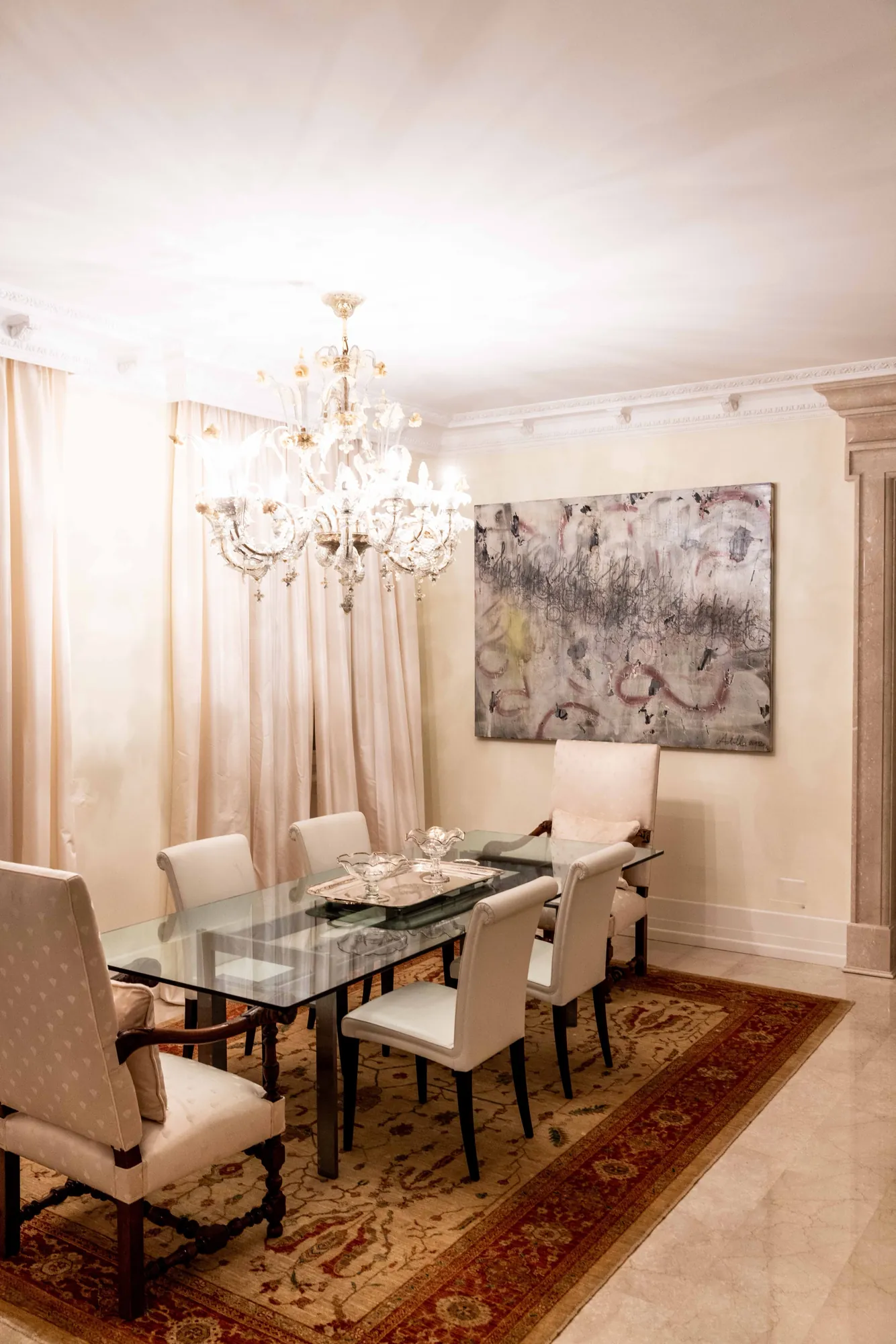
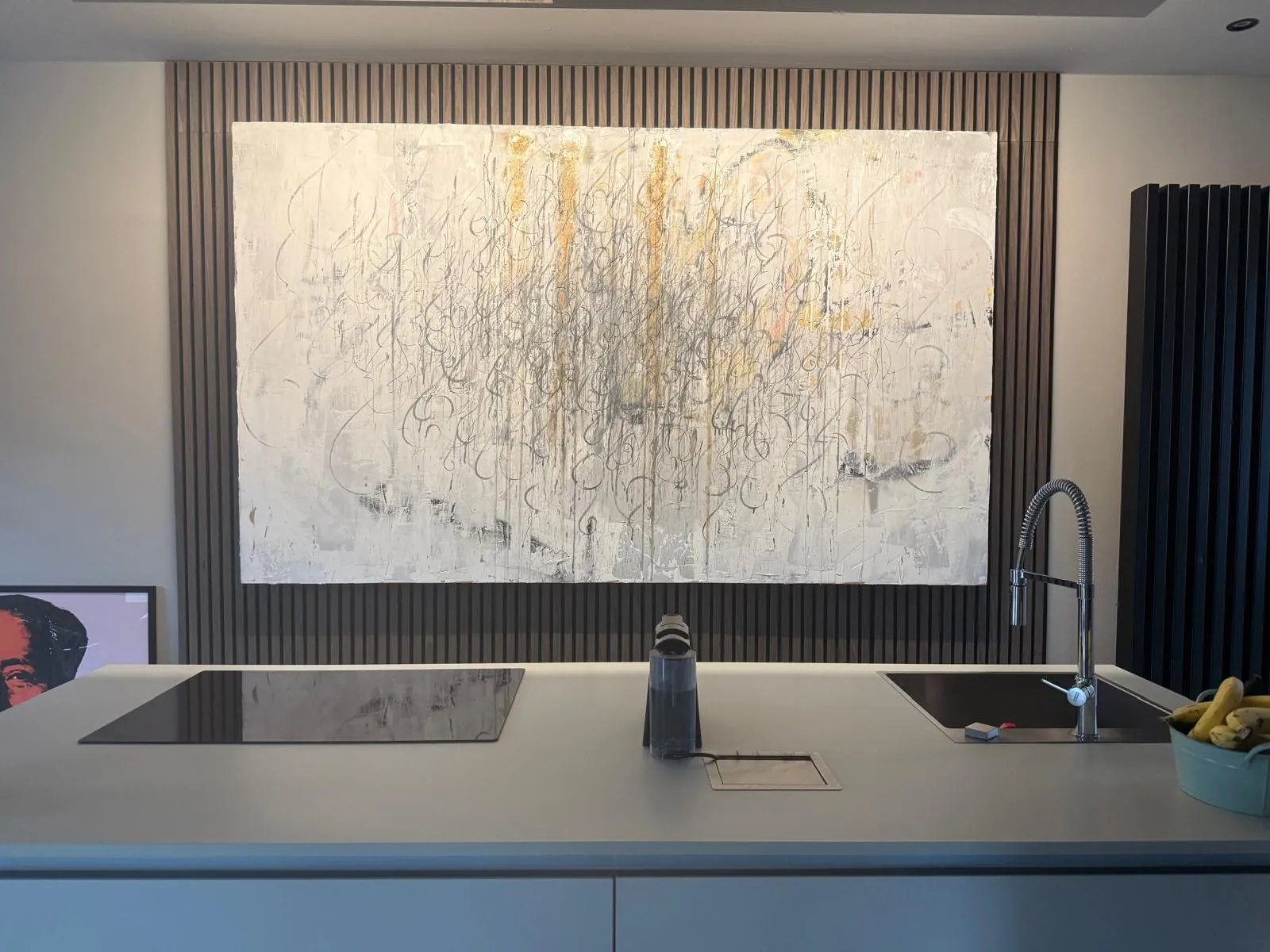
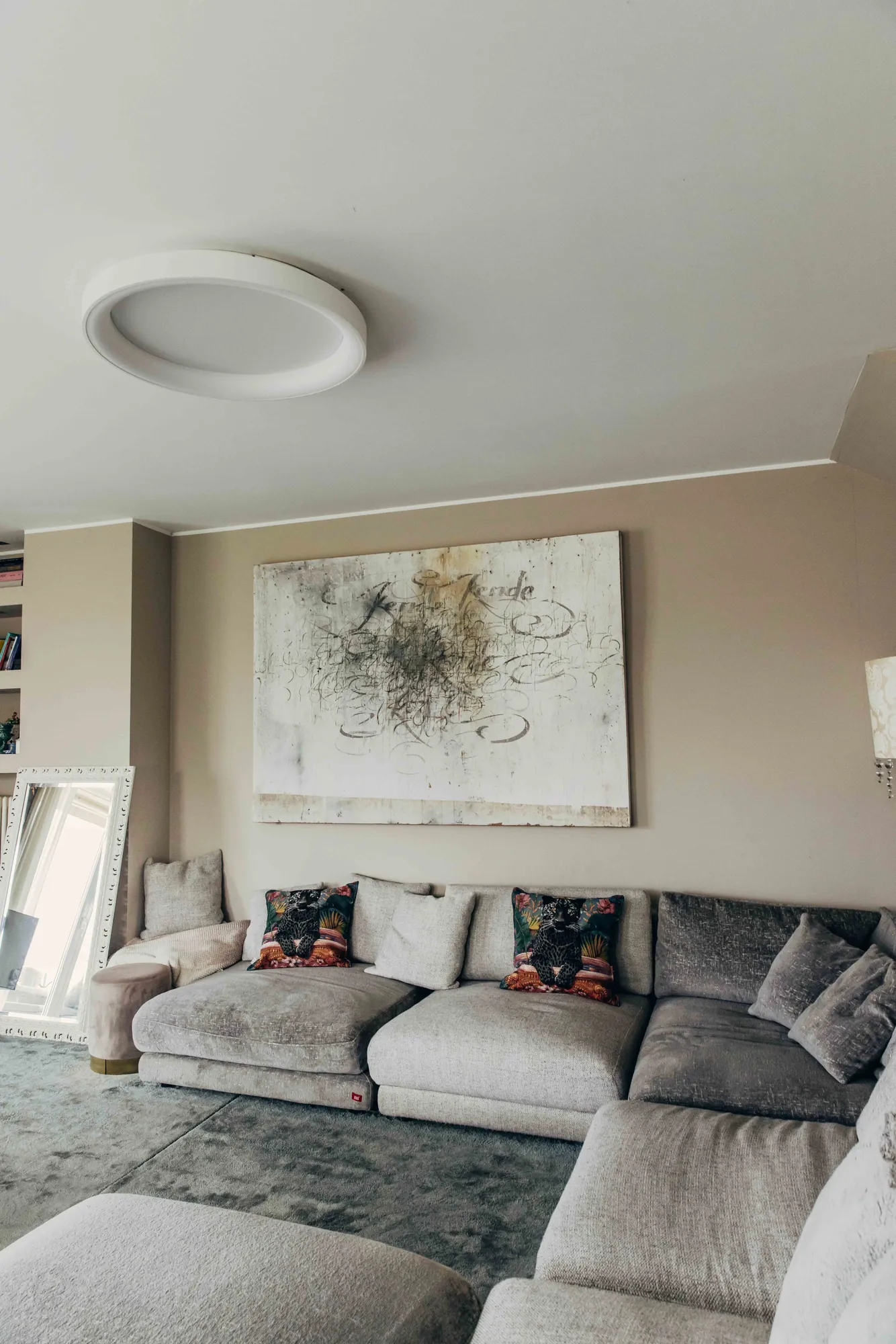
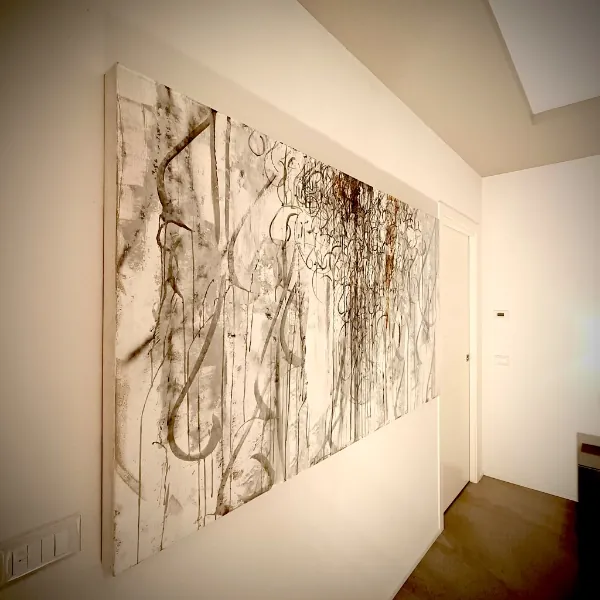
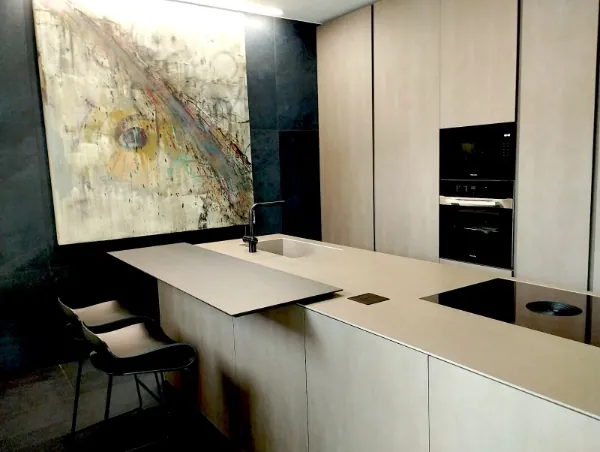
The time had come to evolve my style in another direction. As I continued painting, I became increasingly interested in interior design. So I decided to bring together all the knowledge and skills I had acquired throughout those years and all those experiences within my studio, merging them into something new. My idea was to transform tags into elements of interior design: not simply panels to hang on a wall, but works perfectly in harmony with the room and everything it contains.
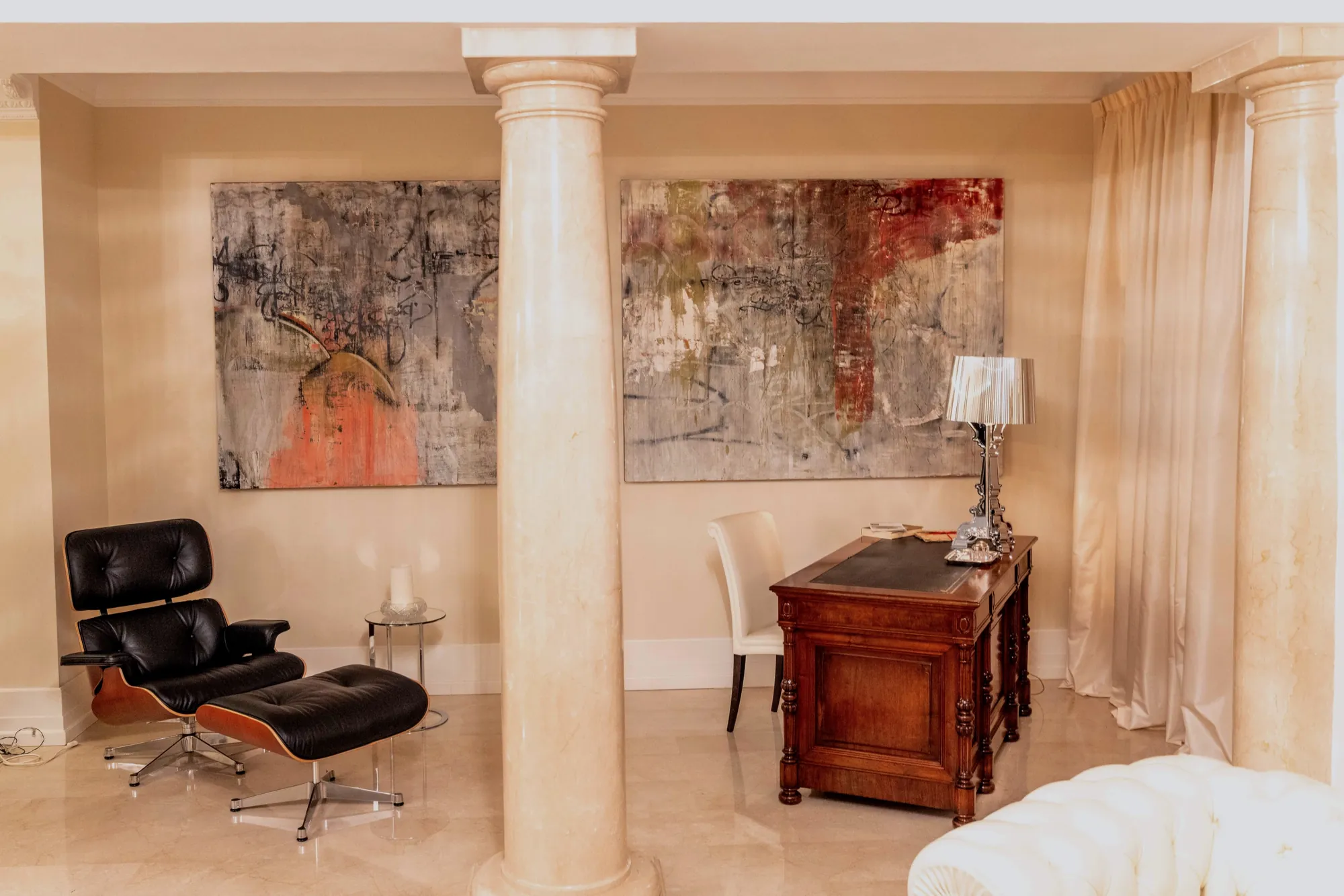
Kende’s For Emy n.1 and For Emy n.2 in a study with columns and a leather lounge chair
Kende artwork above the island of a dark modern kitchen
Kende’s For Emy n.4 in a classic dining room with a crystal chandelier
Kende’s Untitled for Ale above a kitchen cooktop
Kende’s Untitled for Anna in a living room with a grey corner sofa
Kende’s Black and White Fight installed along a wall
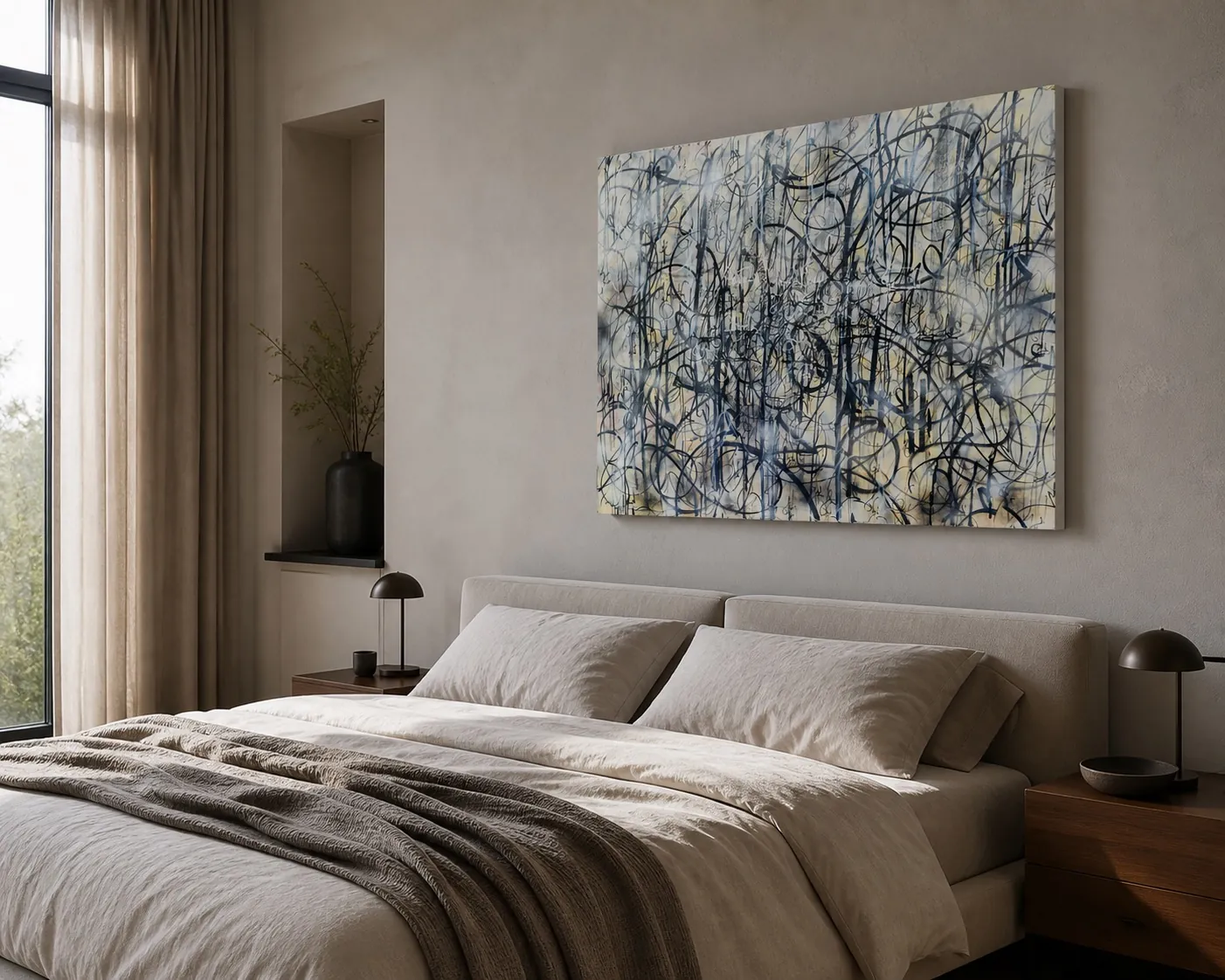
Rendering of Kende’s Bitch n.3 in a bedroom in natural tones
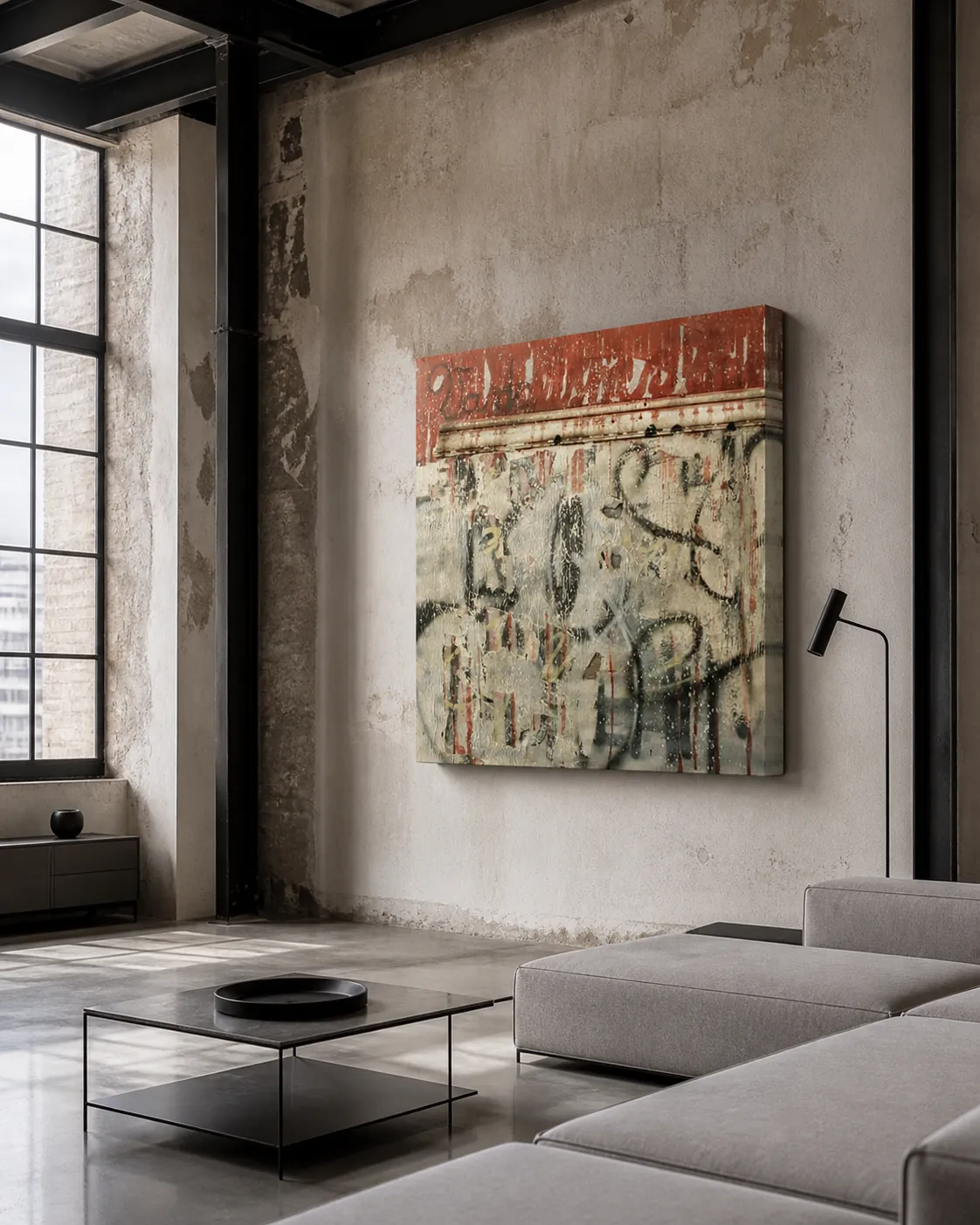
Rendering of Kende’s Graffiti History n.3 in an industrial loft

2020…of my love story

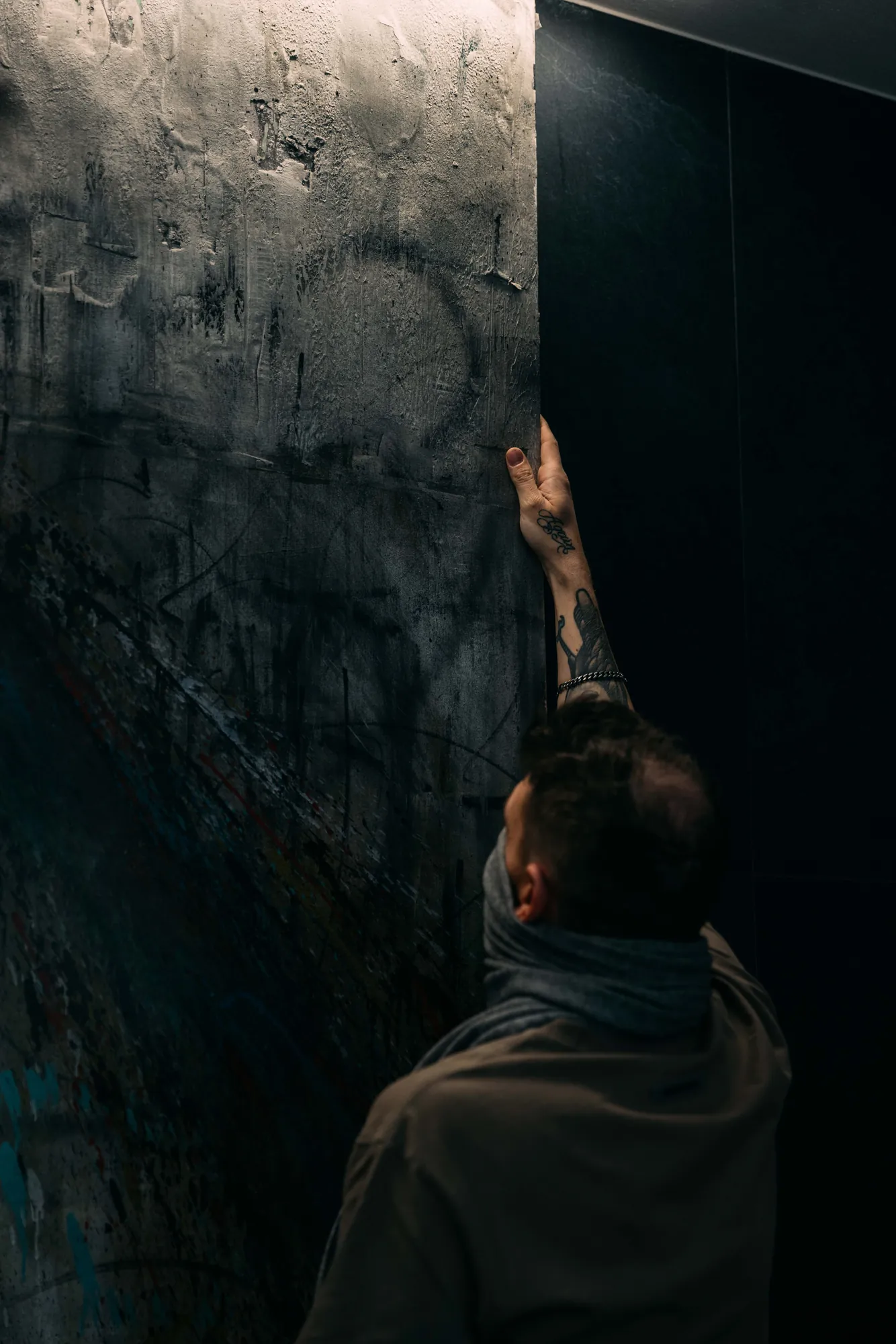
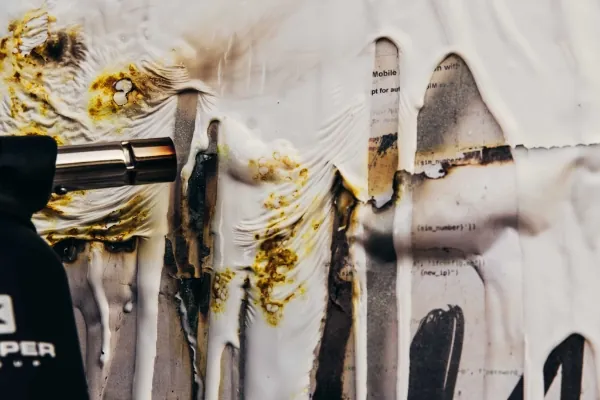
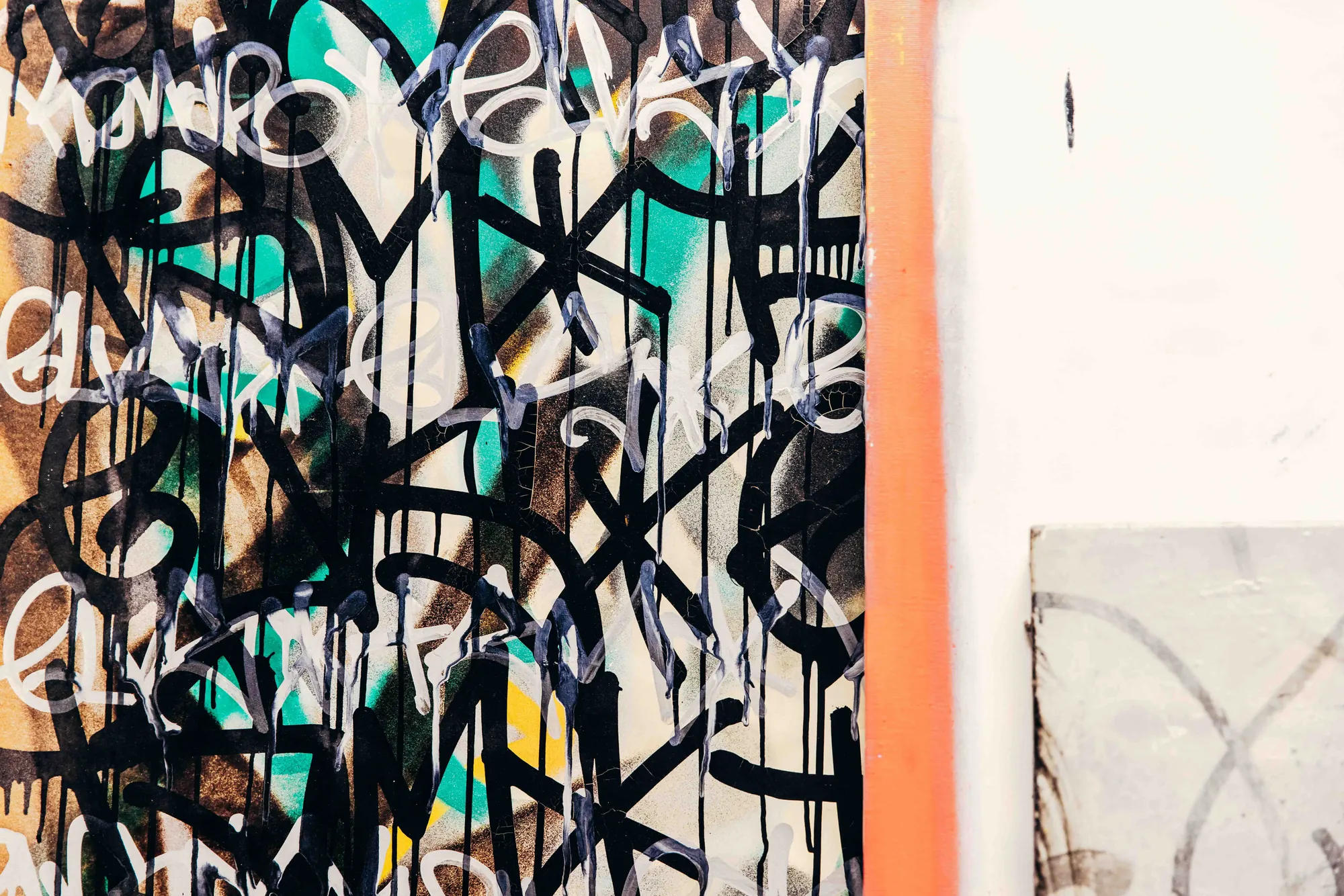
Painting on canvas and wooden panels became my way of expressing myself. It happened naturally, because I knew exactly what to do and how to do it: building and erasing, laying down colour and then taking it away, layer after layer, until the canvas carries the same lived-in traces that time leaves on a wall exposed for years or on a train before it goes through the wash. Today I call this research of mine Dissolutionism: my way of building and erasing on the canvas until it holds the traces that time leaves on things.
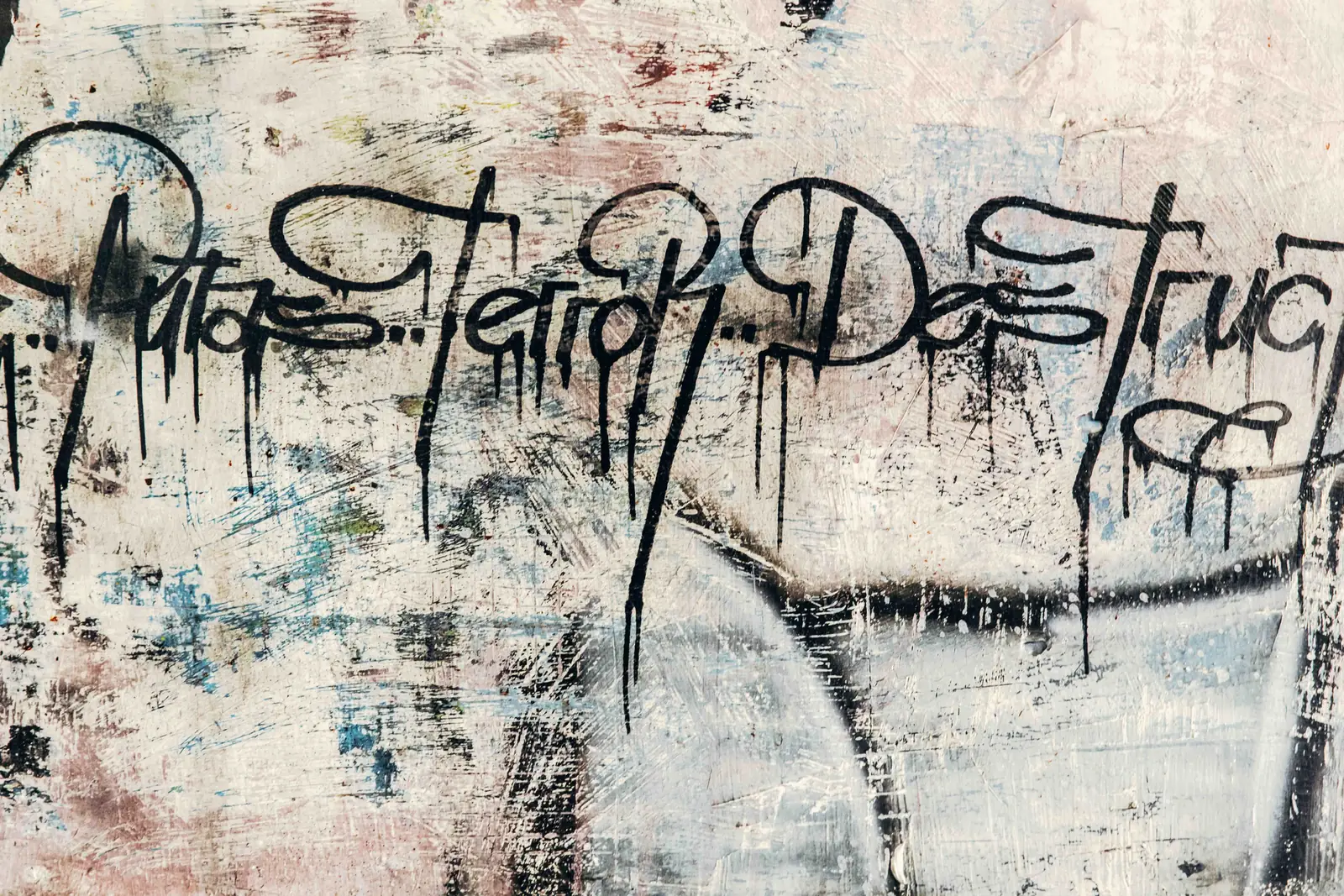
Detail of a Kende artwork: dripping black calligraphy on a scratched background
Kende canvases in the studio: overlapping black, white and turquoise letters
Kende in the studio in front of It’s worse than you think
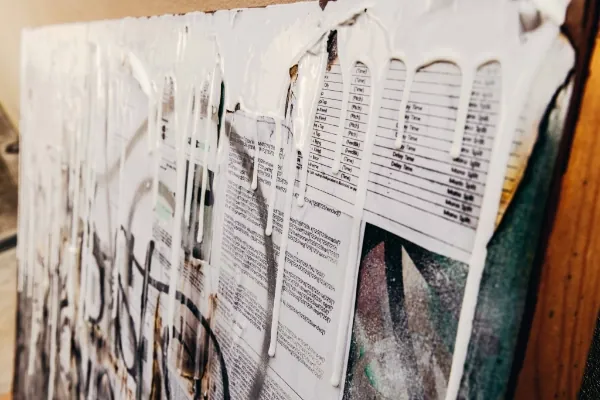
Layers of paper and paint on a Kende canvas in progress
Kende working a canvas with a blowtorch to make the cracks appear
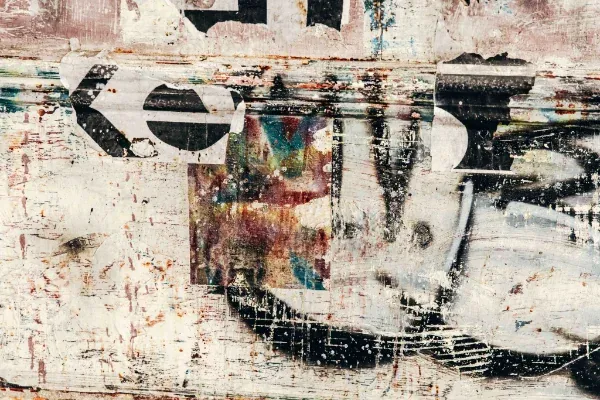
Detail of a Kende canvas: KENDE letters between layers of torn paper
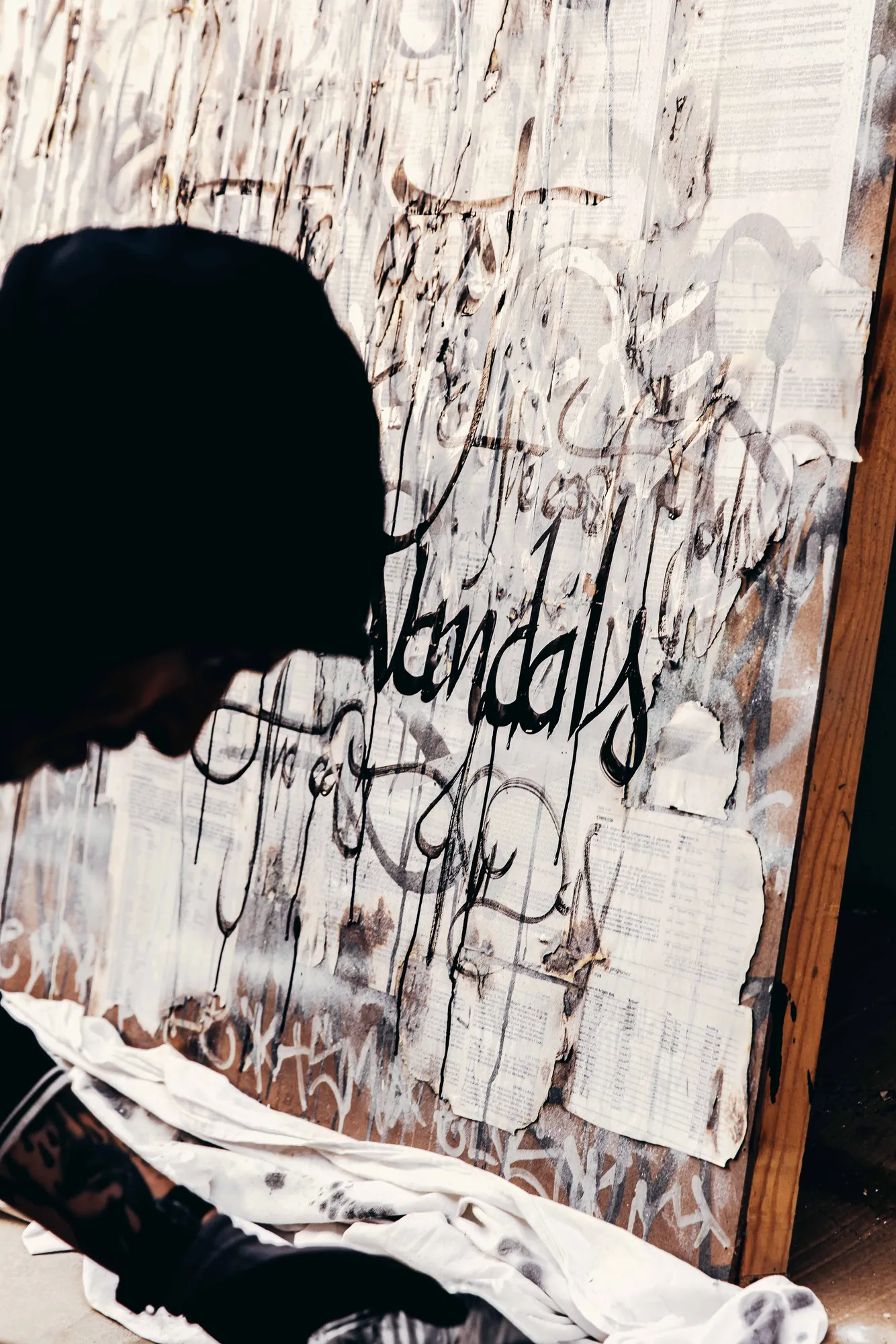
Kende at work on a canvas with the word Vandals painted by brush
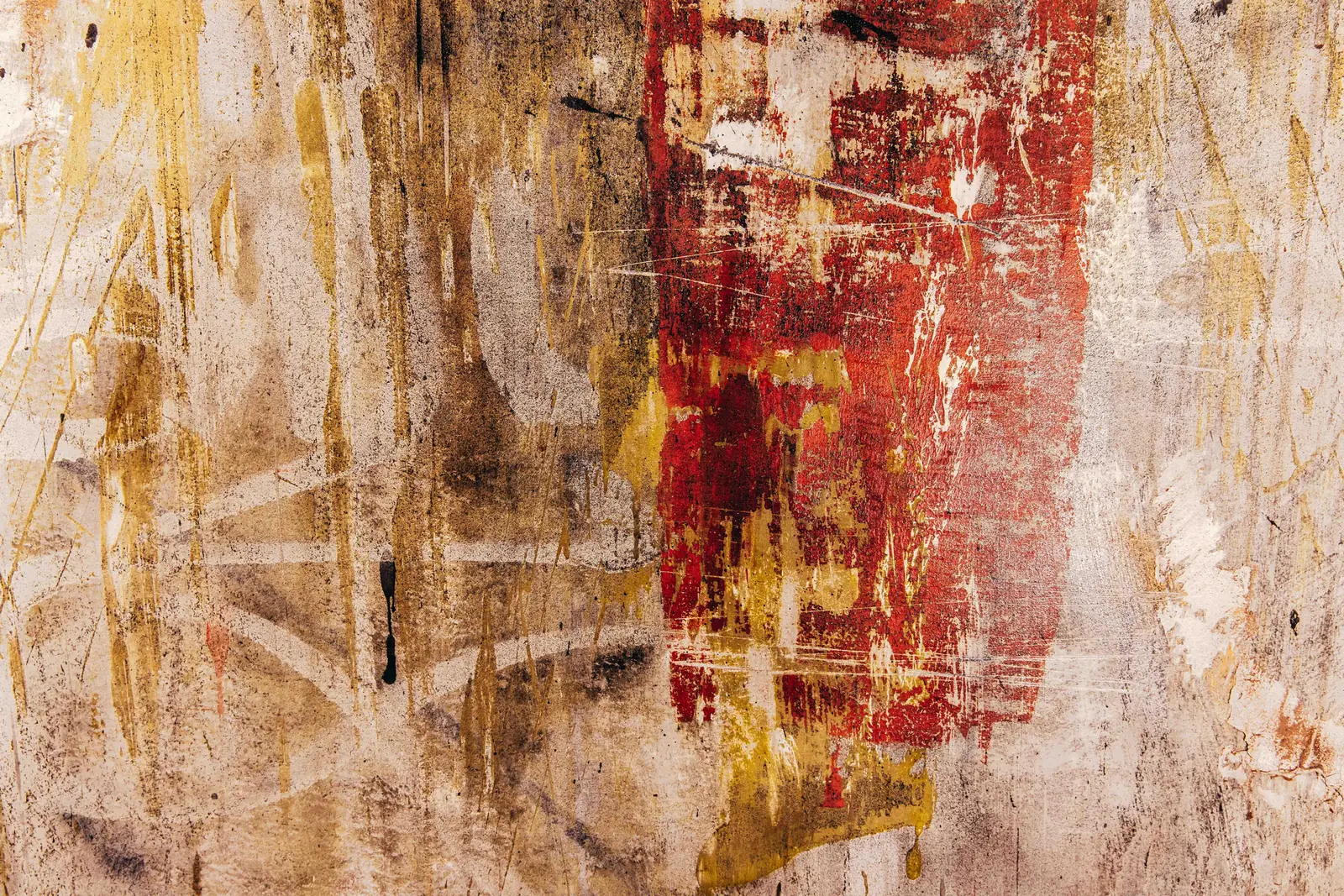
Detail of Kende’s For Emy n.2: red, gold and drips
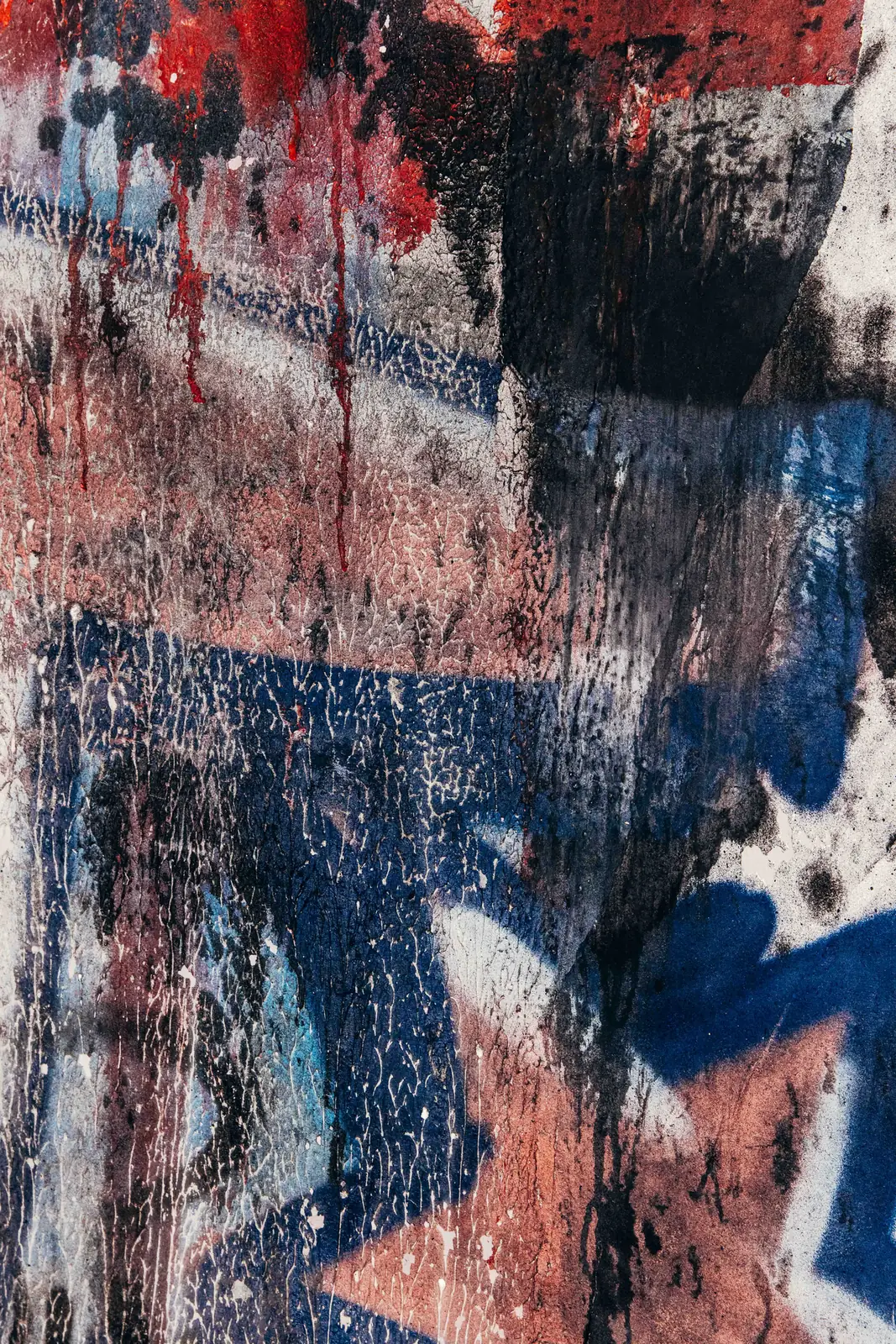
Detail of a Kende canvas in red and blue with drips
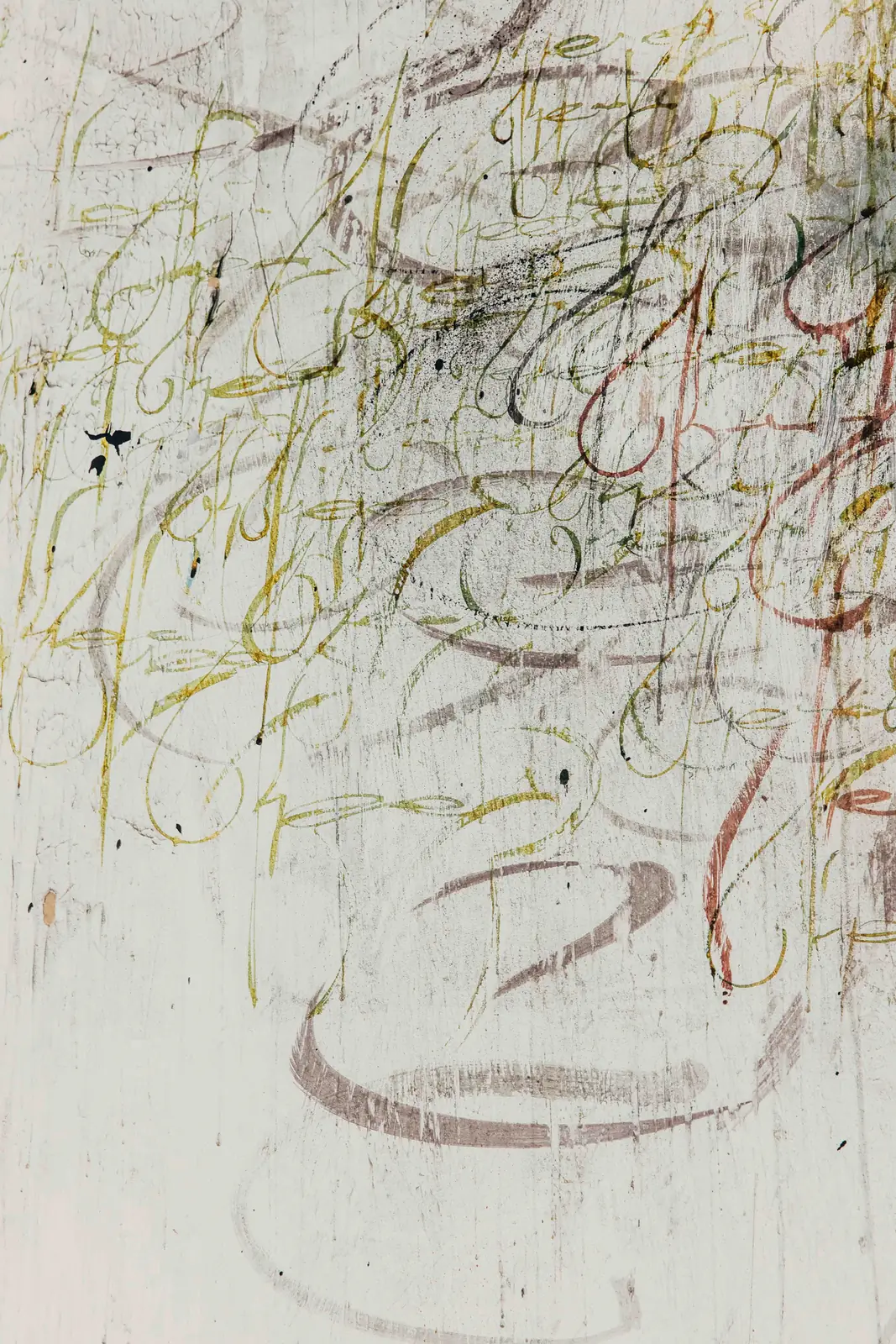
Detail of a Kende canvas with yellow and red calligraphy on a white background
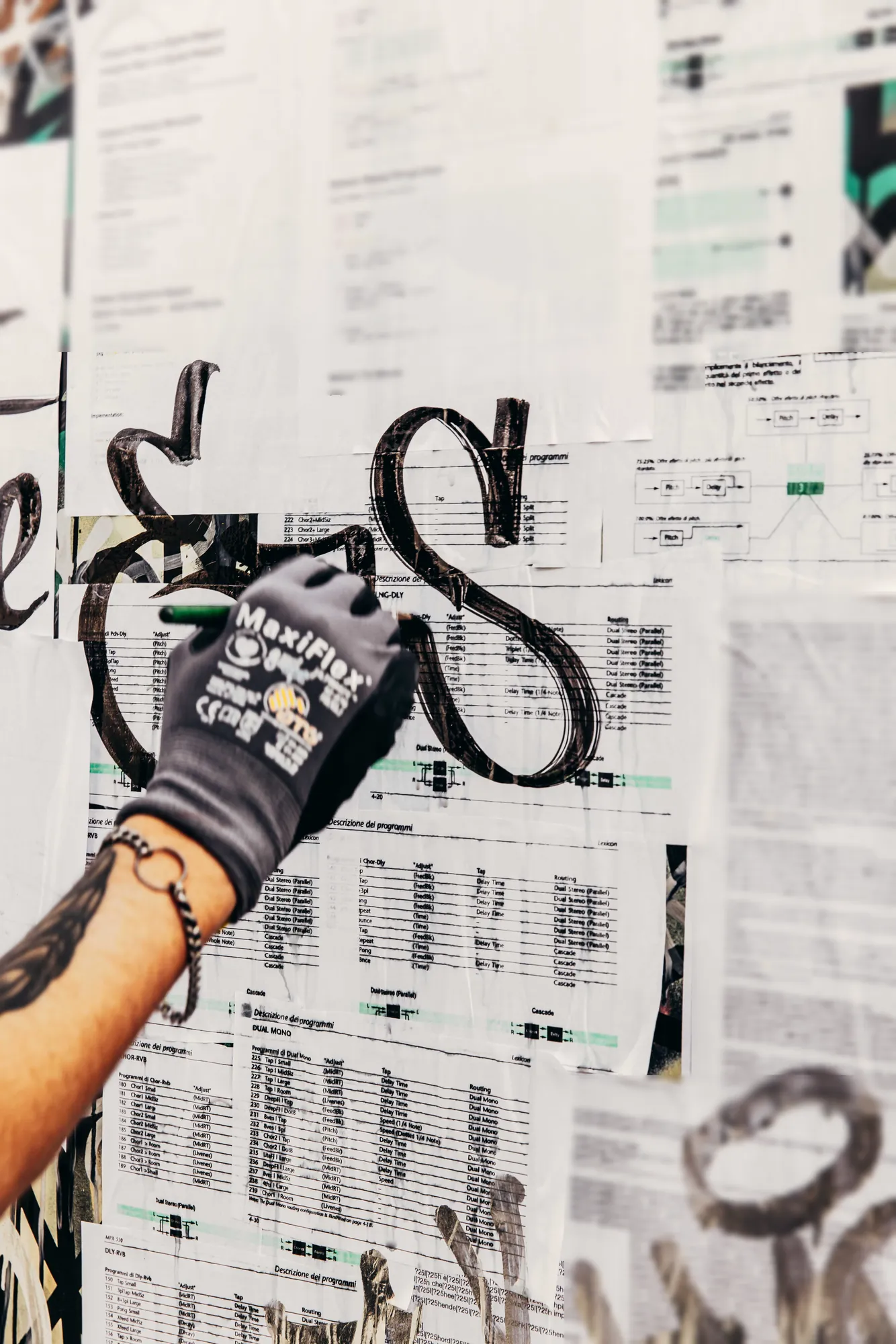
Kende tracing letters with a marker on pasted printed sheets, texts obscured

2025Studio time

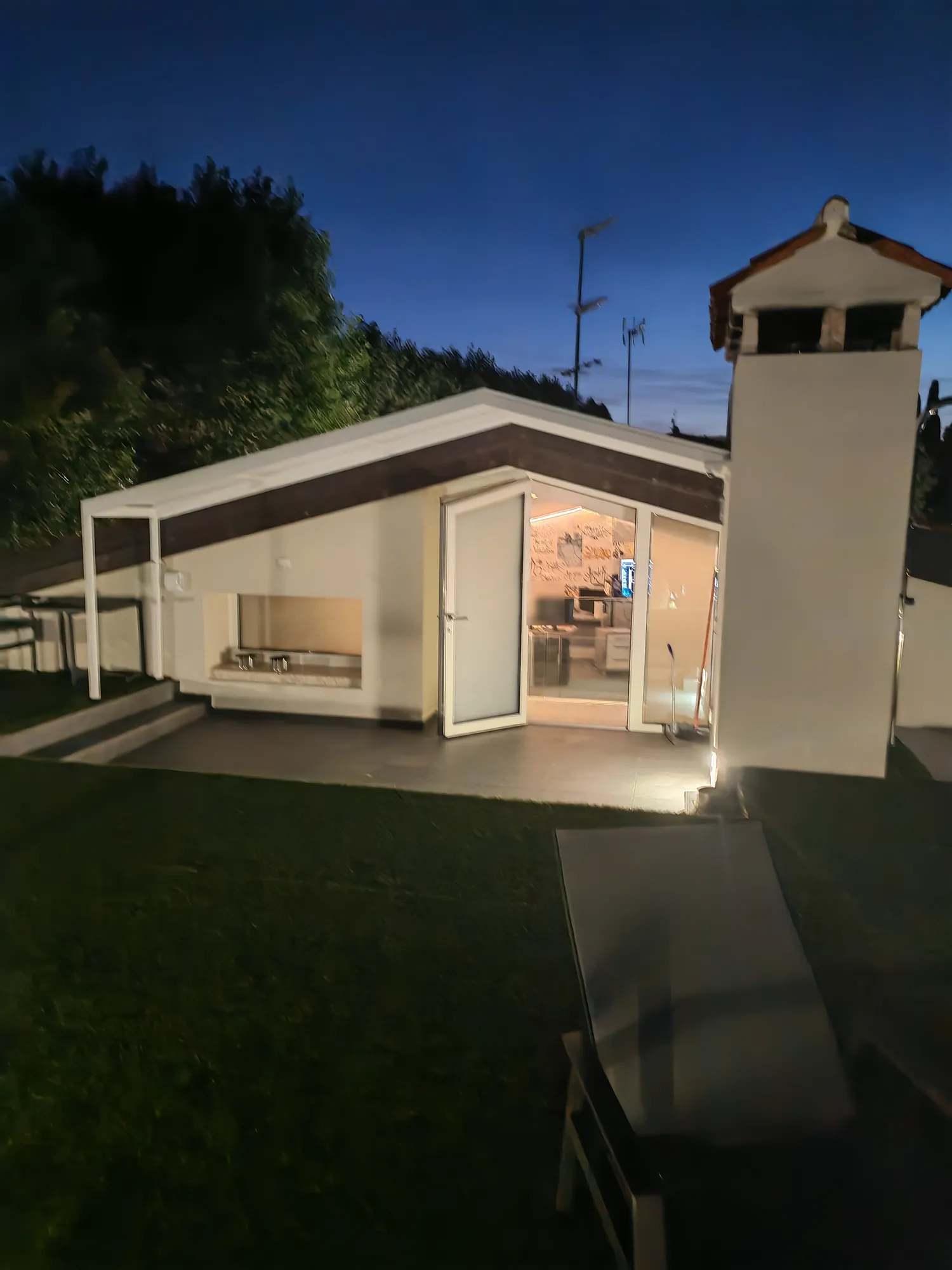
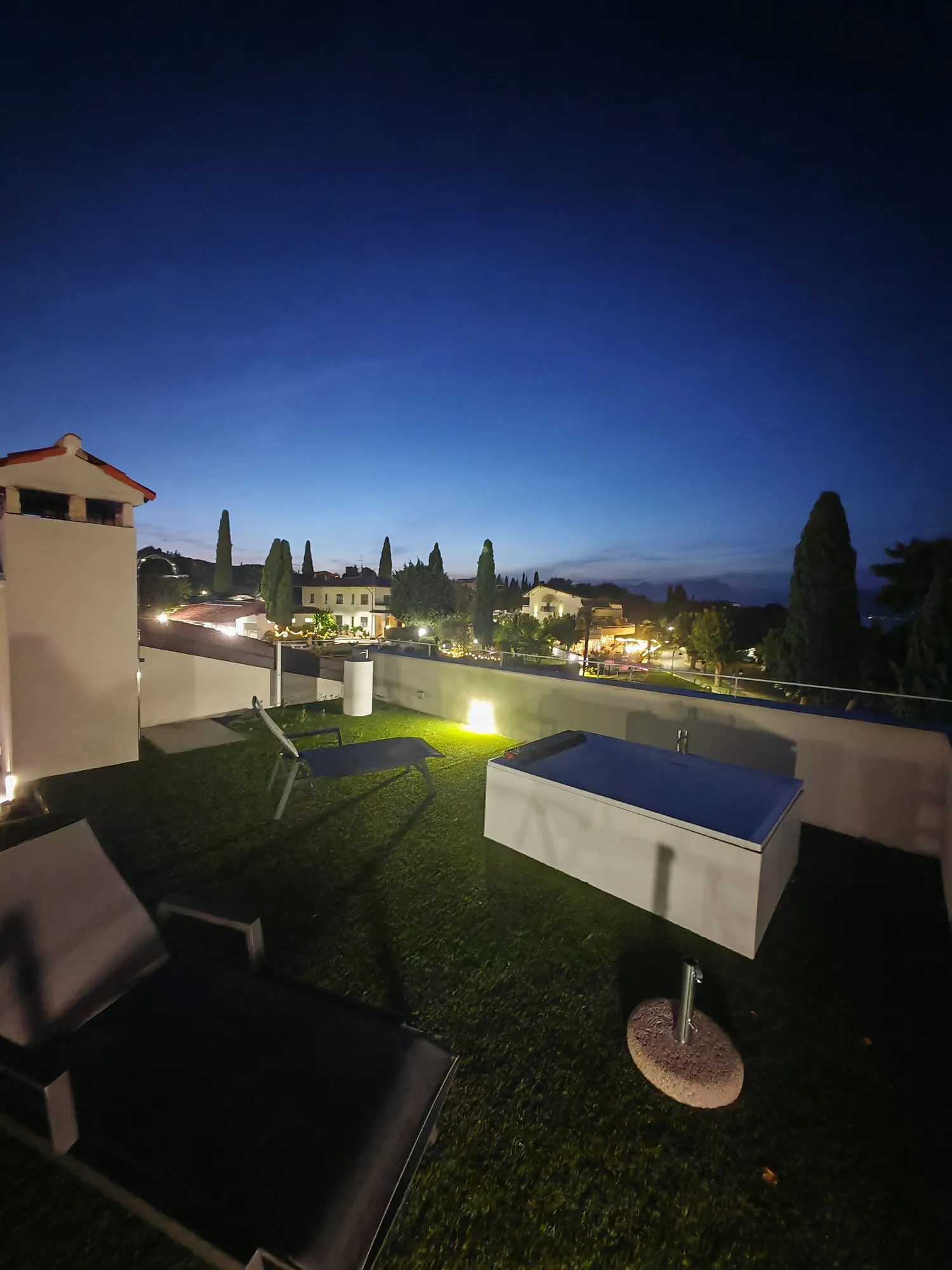
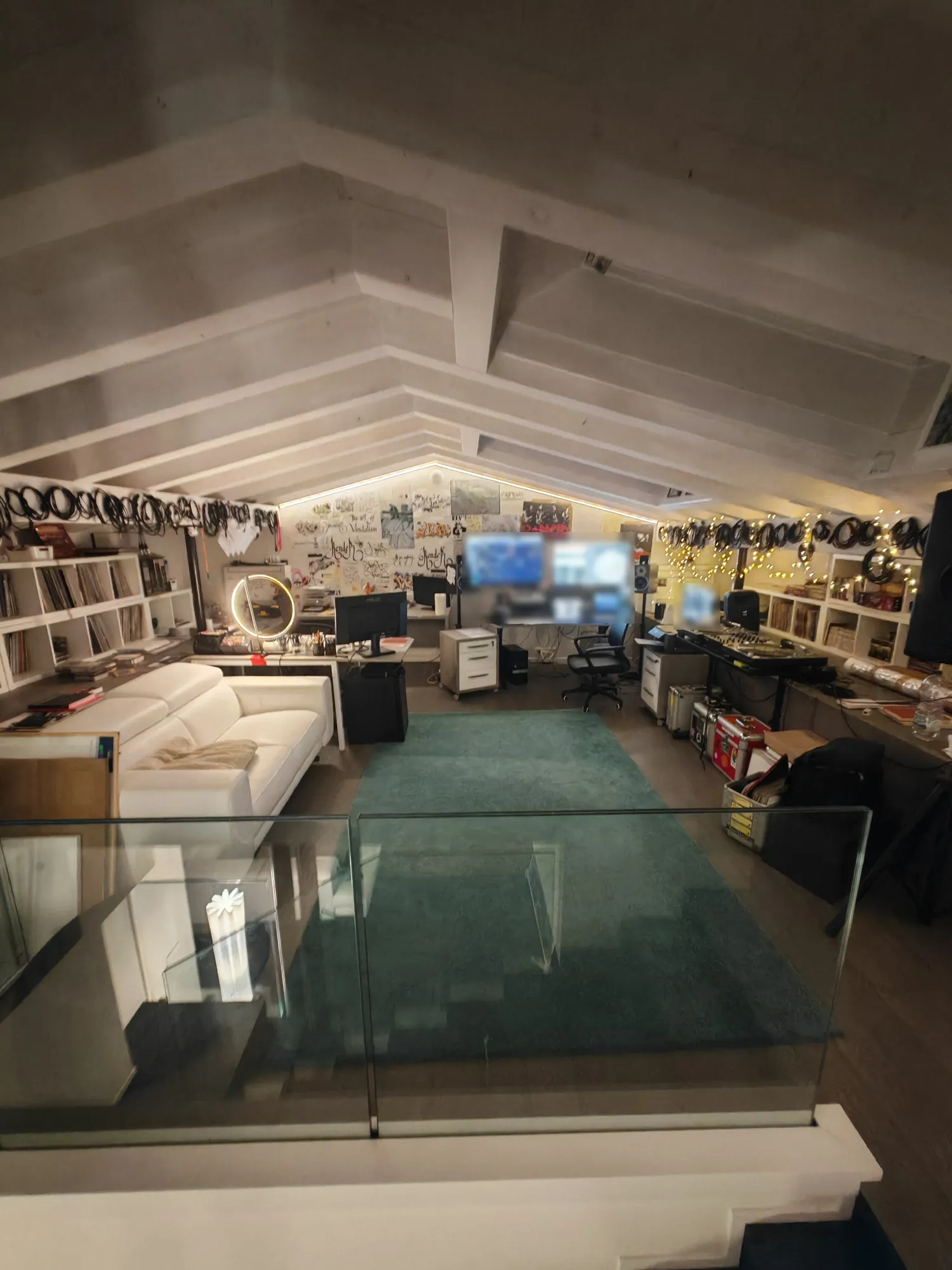
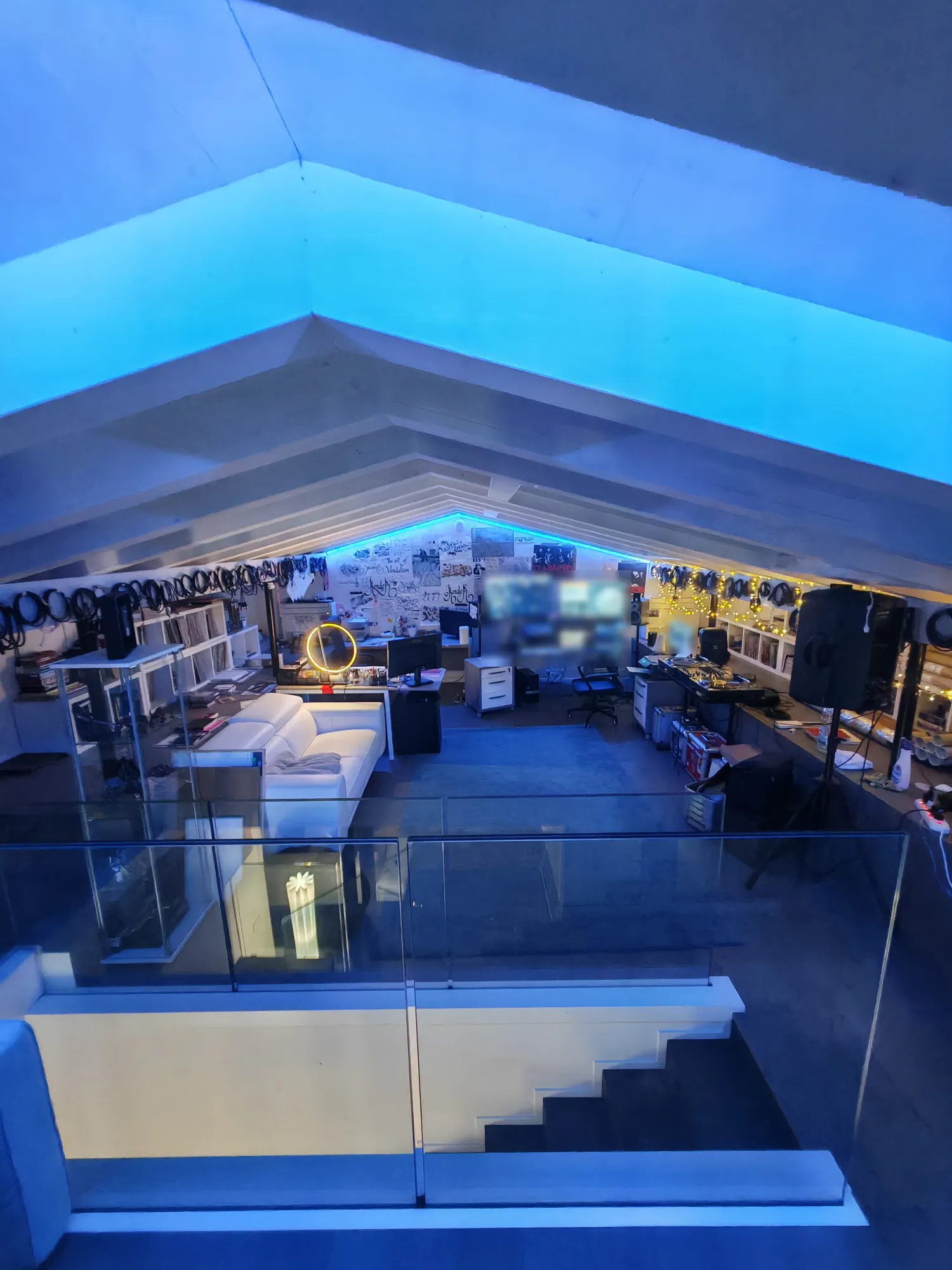
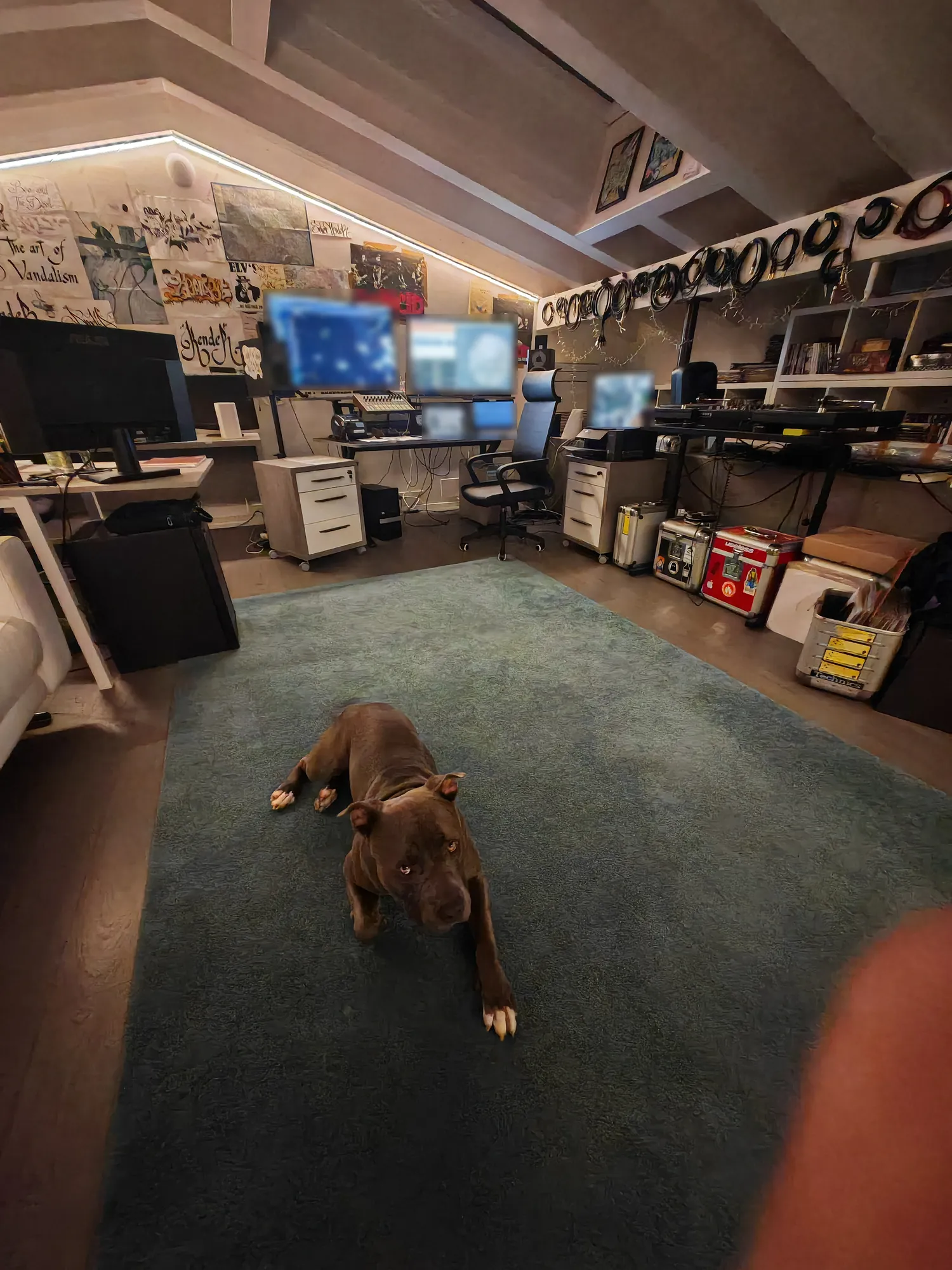
Welcome to my studio: a corner of paradise set on the shores of Lake Garda, where the silence of nature lives alongside the rhythm of people arriving from every part of the world. Here the lake is as close as the city, and the city is as close as the rest of the planet: a space that brings together local roots and an international outlook, just like my work.
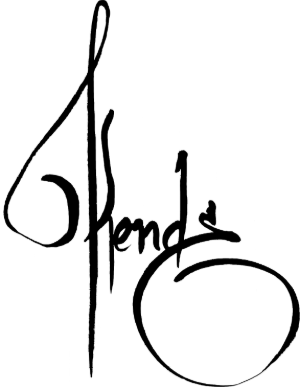
Tag about
Kende’s studio on Lake Garda: workstations, records and a dog on the rug
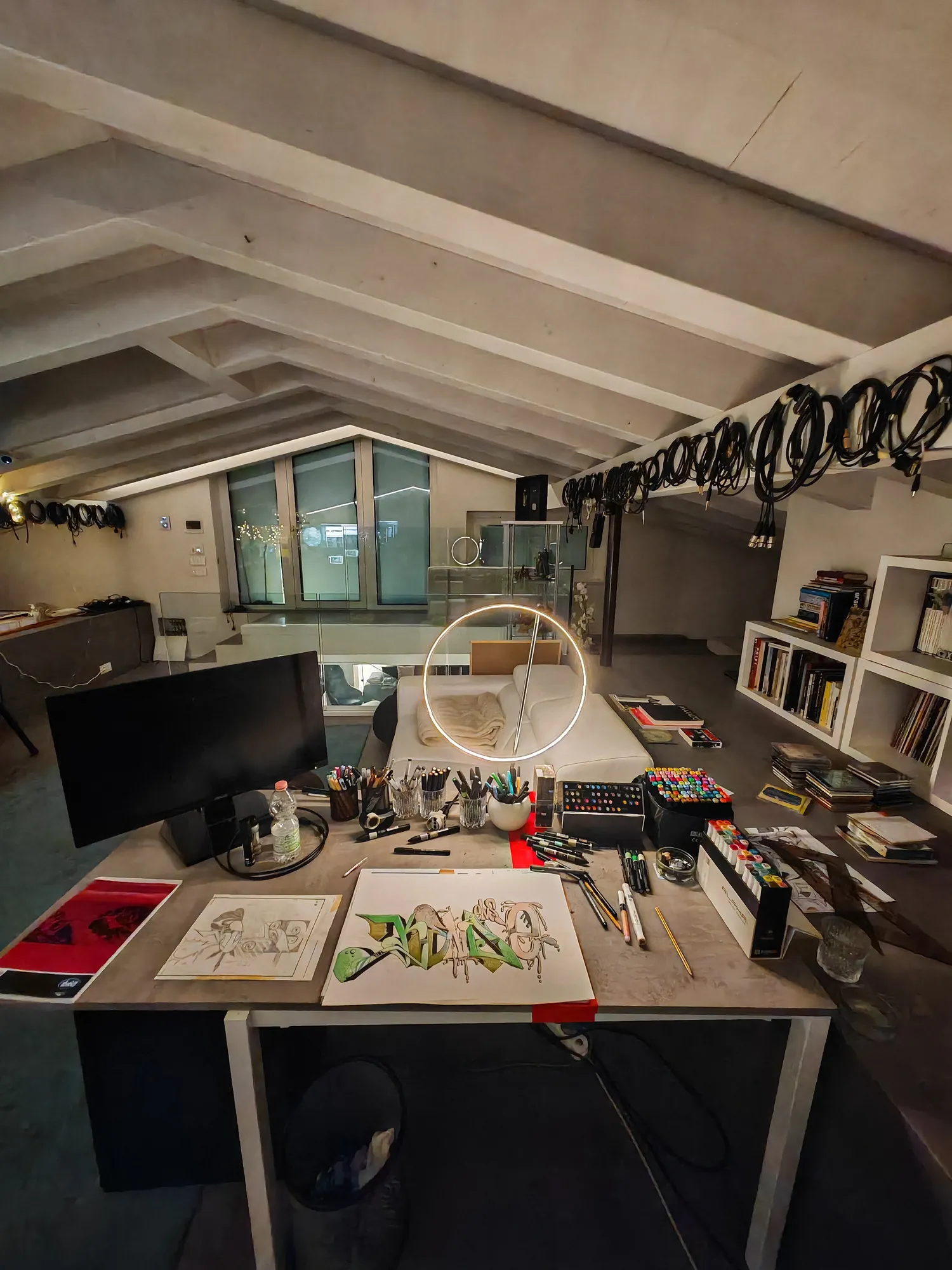
The drawing table in Kende’s studio, with markers and letter sketches
Kende’s studio seen from the roof garden in the evening
The terrace of Kende’s studio at dusk, looking toward Lake Garda
Kende’s studio seen from the mezzanine: calligraphy wall, desks and sofa
Kende’s studio with blue light on the pitched ceiling
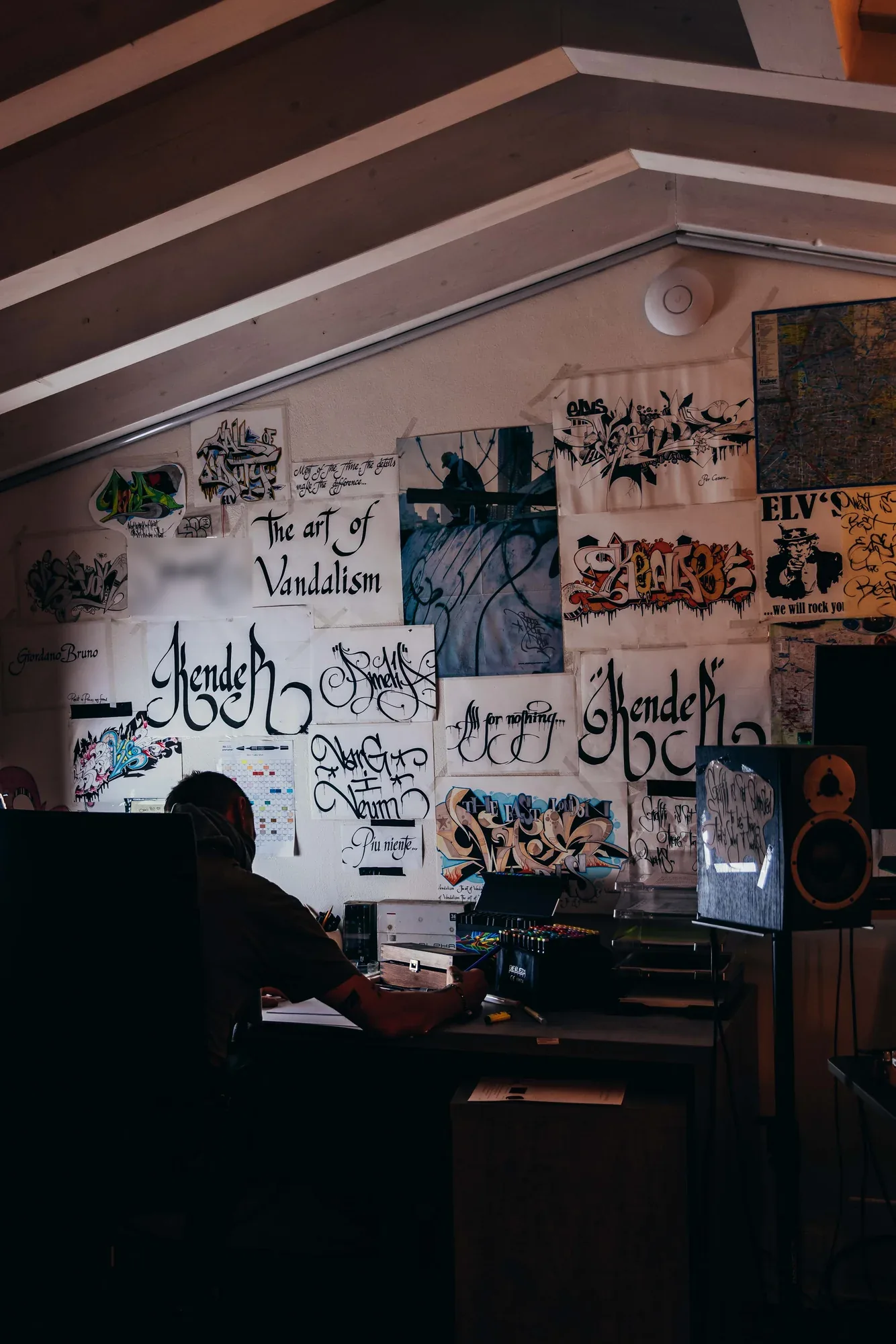
Kende at work in the studio, in front of the wall of calligraphy and graffiti on paper

What is calligraffiti?

Calligraffiti is an art form that blends urban graffiti with the techniques of classical calligraphy — nibs, ink and controlled brushwork — applied to the language of tags. The term was popularised in 2007 by the Dutch artist Niels “Shoe” Meulman.

What is Dissolutionism?

The Dissolutionism It is Kende’s personal exploration within the realm of ‘calligraffiti’: the way in which he builds up and erases on the canvas, applying colour and then removing it, layer by layer, until he conveys the very same sense of history that time leaves on a wall exposed for years or on a train before it is washed. It is not an artistic movement, but the distinctive language through which Kende interprets urban memory and dissolution in his works.

Are Kende’s works available for purchase or can they be commissioned?

Yes. Kende’s prints can be purchased directly from the website; they are produced in limited editions. You can also request commissioned works, tailor-made to suit the client’s space and requirements.